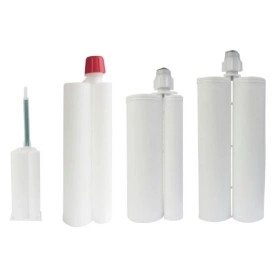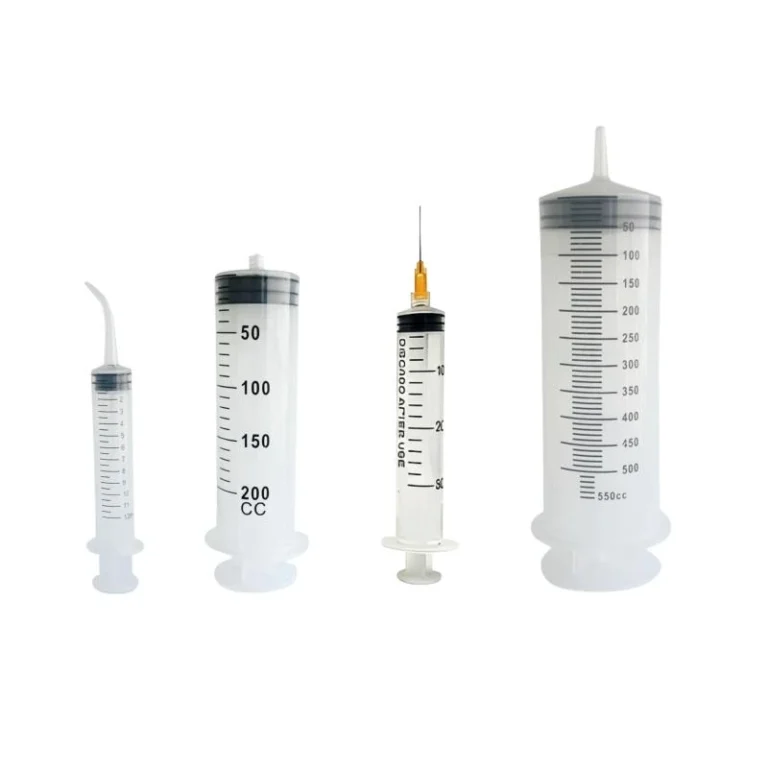
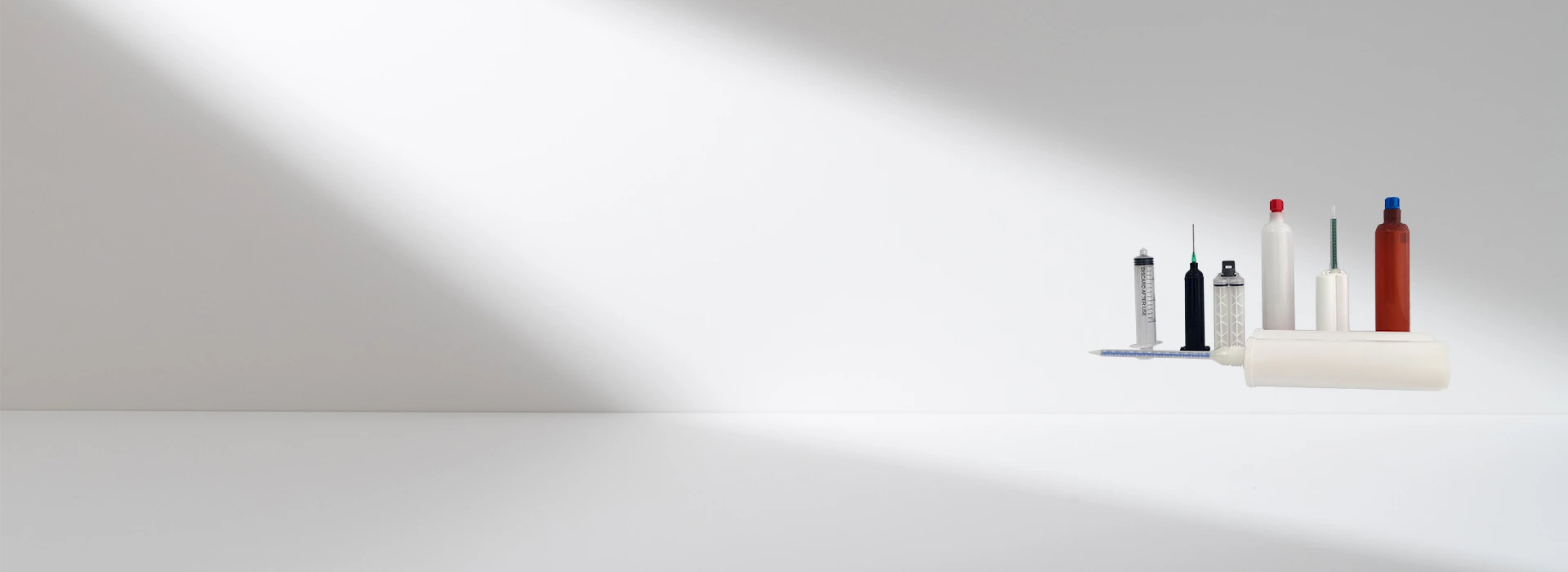
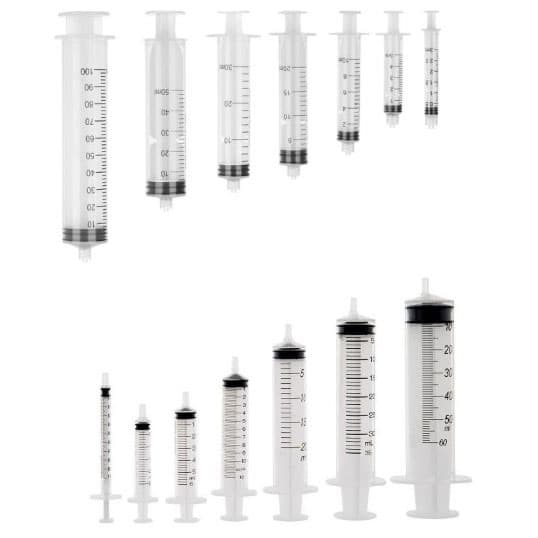
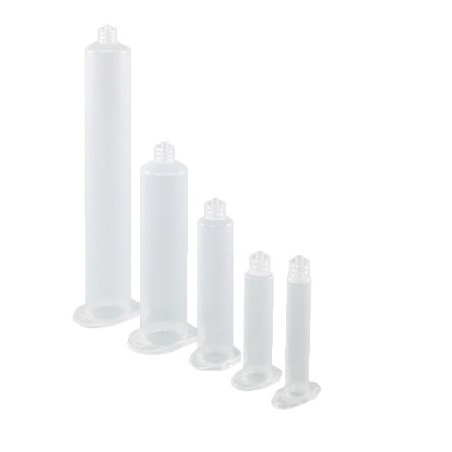
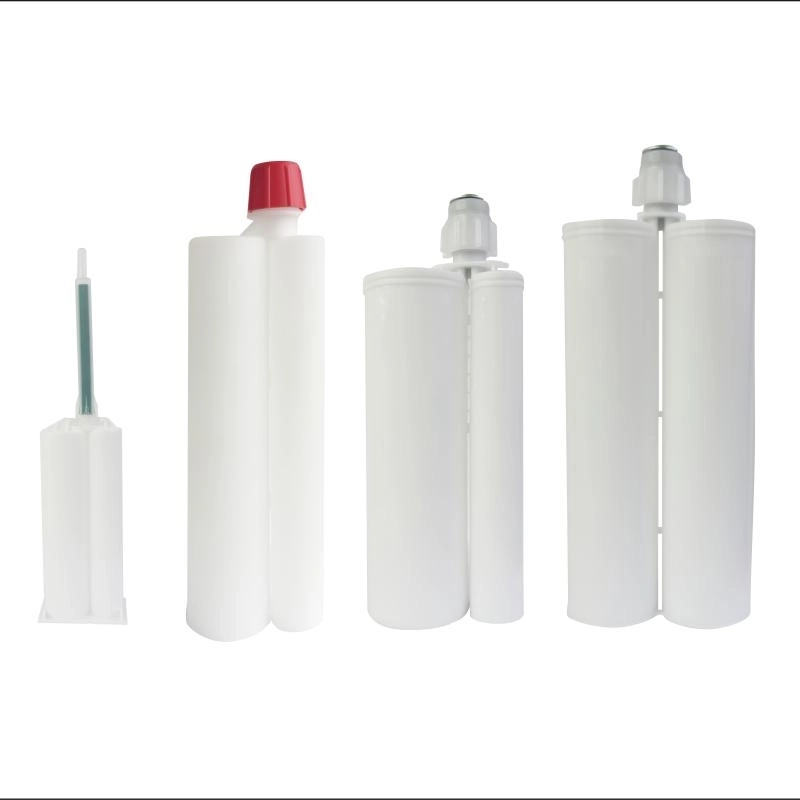
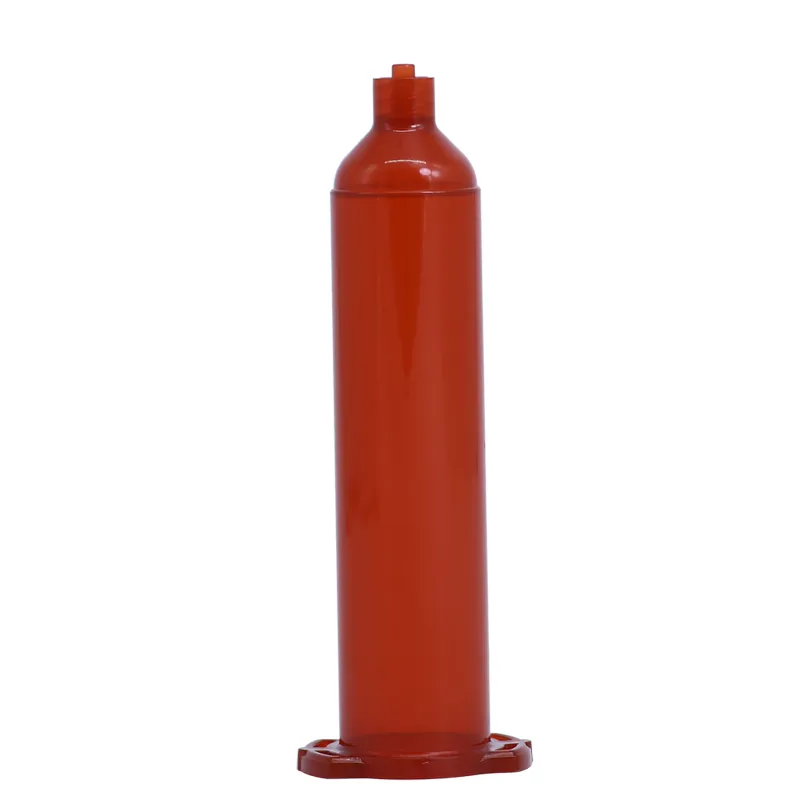
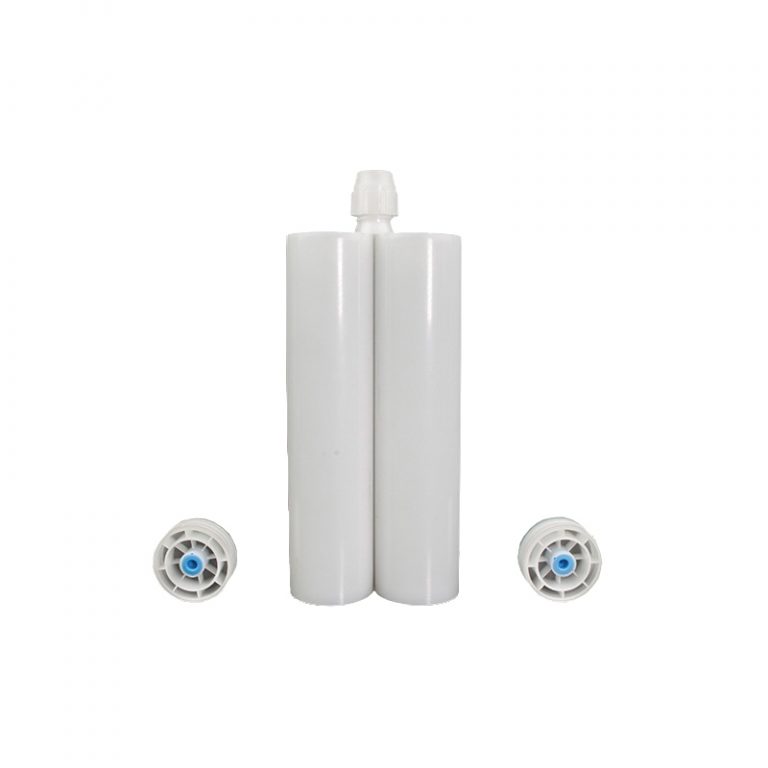
This category brings together syringe barrels, single-component cartridges, and dual cartridges used across different dispensing volumes and material systems. Some formats suit short, controlled shots. Others make more sense when bead length, fill volume, or fixed-ratio mixing starts to matter on the line.
Reservoir stability starts with structure, not with broad performance claims. Inner wall geometry, outlet form, chamber layout, and material selection all shape how the syringe barrel or cartridge behaves under load.

A more uniform barrel wall and internal bore give the piston a steadier sealing path.

Consistent outlet and cap threads reduce mismatch with nozzles, mixers, and closing components.

PP, HDPE, PA, and PBT options let you balance rigidity, impact resistance, and chemical contact.

Amber and black formats reduce light exposure when your adhesive reacts to UV or visible light.
Quality control for syringe barrels and cartridges mainly looks at dimensional fit, sealing performance, and how the part holds under pressure during filling, storage, and dispensing. This category covers many different product types, so inspection items and tolerance focus points do not stay exactly the same across every part. We check each product against its actual structure and application, with pressure resistance and burst performance remaining key test items in this category. These checks help identify leakage risk, deformation, or molding defects before shipment.


You may need a cartridge that fits a regional gun standard, a syringe barrel that matches a higher viscosity fluid, or a dual cartridge with a different ratio and piston style. We support OEM and ODM projects around chamber layout, color, thread type, piston selection, and packaging method. When you share viscosity range, target shot size, line pressure, and mixer or tip requirement, we can review the dispensing path and suggest a more suitable format.
Syringe barrels and cartridges catalog covering sizes, capacities, colors, materials, ratios, and dispensing system compatibility.
DownloadComplete range of dispensing components, covering tips, mixing nozzles, cartridges, guns, and system accessories.
DownloadTechnical articles covering dispensing principles, selection guidance, and process considerations for stable production performance.
DownloadThese syringe barrels and cartridges are used in production work where output consistency, sealing condition, and material control need to stay stable from batch to batch.

In semi-automatic 2K bonding work, the cartridge has to keep both components moving at the same pace before they enter the static mixing nozzle. When the body deforms too easily under load, plunger movement can start to shift and the mix ratio becomes harder to control. A better-matched cartridge body and piston setup usually helps reduce that variation and cut unnecessary material loss.

For low-volume potting, the syringe barrel needs to feed material cleanly from the first shot onward. If air stays in the barrel after filling, the start of each dispense cycle becomes less stable and cured parts may show voids. In this kind of process, barrel fit, piston match, and filling condition all affect how repeatable the output stays over time.



Material sensitivity can quietly narrow the options. Light-sensitive or storage-sensitive fluids may need a different reservoir color or material before filling and line-side use begin.
The reservoir still has to fit the piston, closure, outlet, dispensing tool, or mixer used in the actual process.
Interface mismatch often shows up later at the bead, the mixer, or the tool response, even when the reservoir body still looks acceptable on its own.
A syringe barrel (dispensing syringe) fits smaller deposits and tighter shot control, while a cartridge makes more sense for longer beads or higher output volume. Reservoir size and outlet style change how pressure builds through the fluid path, which affects how each format responds during dispensing. If your material changes often or each shot stays small, the barrel format usually gives better control. Once replacement frequency starts interrupting the line, the cartridge format tends to be the better direction.
A dual cartridge usually gives the wrong mix ratio because one side of the system moves under a different load than the other. That load difference may come from piston drag, chamber resistance, gun alignment, or a mixer that does not match the material and ratio setup. The ratio problem often starts before the material enters the static mixer. The cartridge, piston, gun, and mixer need checking as one chain rather than as separate parts.
PP single-component cartridges usually work better when dimensional control and thread consistency are more critical, while HDPE often comes up first when the cartridge sees more impact during transport or field use. Adhesive chemistry, storage temperature, and dispensing load can each shift the answer in a different direction. A solvent-sensitive formulation or long storage above around 40°C can change the result, so final selection should stay tied to actual validation rather than general material preference.
Yes, amber and black syringe barrels or cartridges can reduce light exposure for UV-sensitive adhesives, and black usually blocks more light than amber. That protection matters when material sits near windows, line lighting, or open workstations for extended periods. Still, color only addresses one part of the risk. In some setups, heat, storage time, or poor closure can shorten usable life as much as light exposure does.
A syringe barrel that leaks or pulls air usually points to a sealing mismatch, thread damage, trapped air from filling, or a piston that does not suit the viscosity range. The symptom often appears first as delayed startup, irregular bead formation, or material creeping where it should not. Sometimes the problem sits at the outlet connection. In other cases, it starts behind the fluid front because the piston fit is too loose or the fill condition was not clean.