| Item No. | Spec. | Color | T/W ratio | Material |
|---|---|---|---|---|
| BTK-MG01 | MG300ml | yellow+gray | 1:18 | metal |
| BTK-MG02 | MG300ml | black+red | 1:26 | metal |

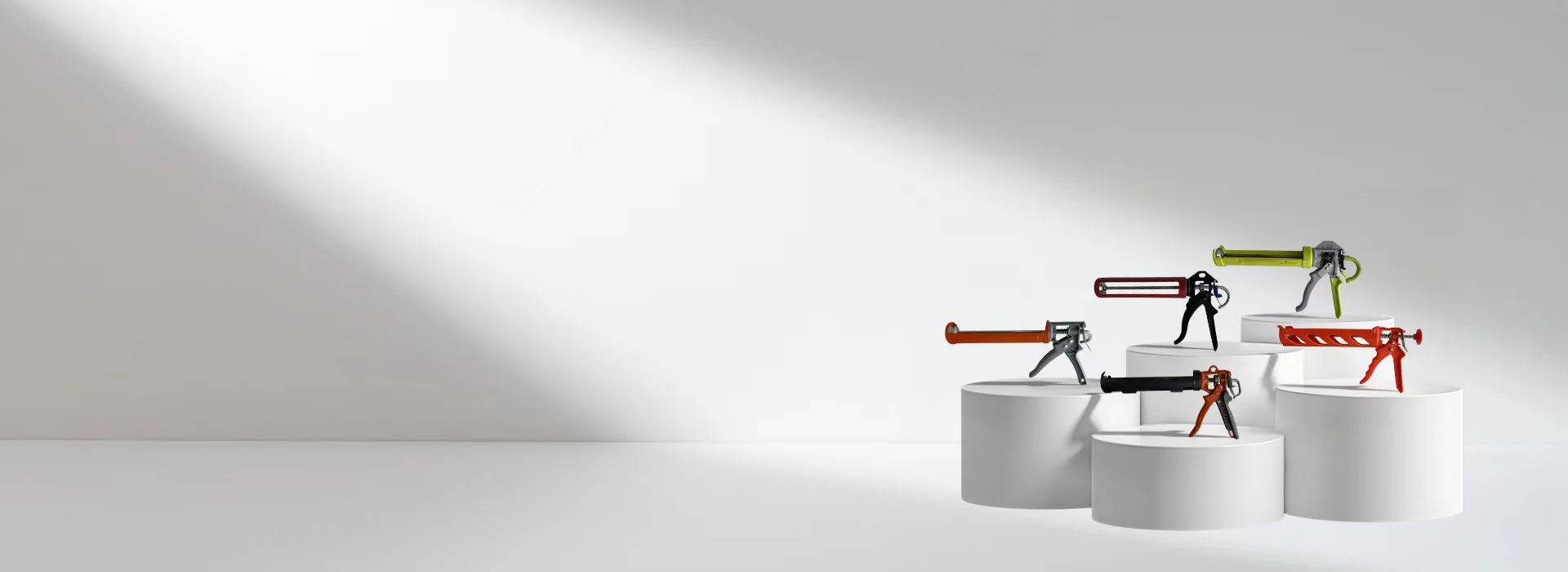
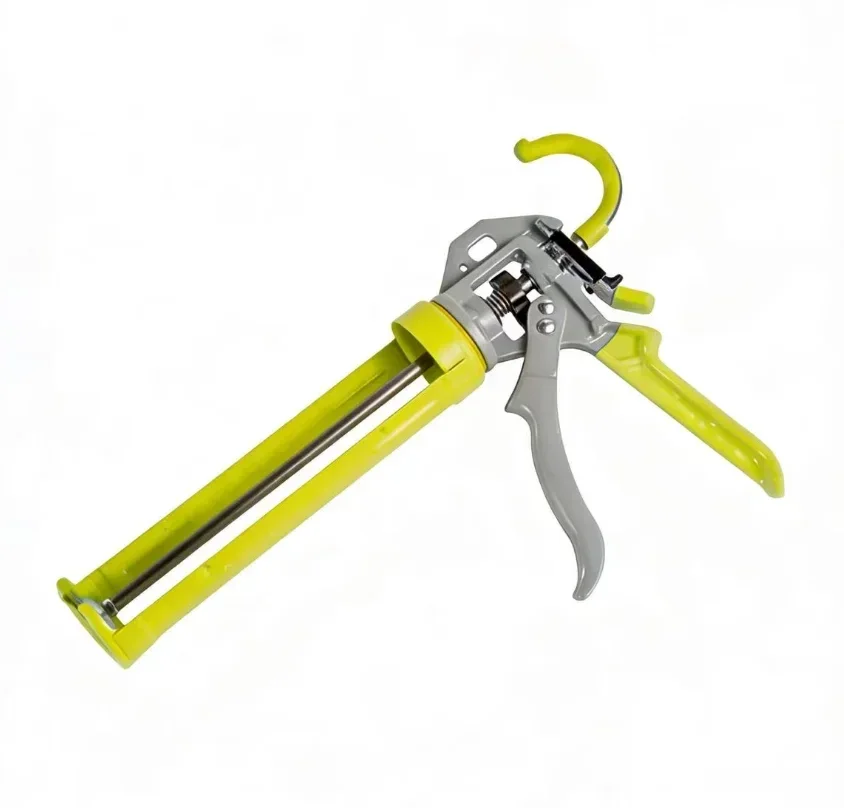


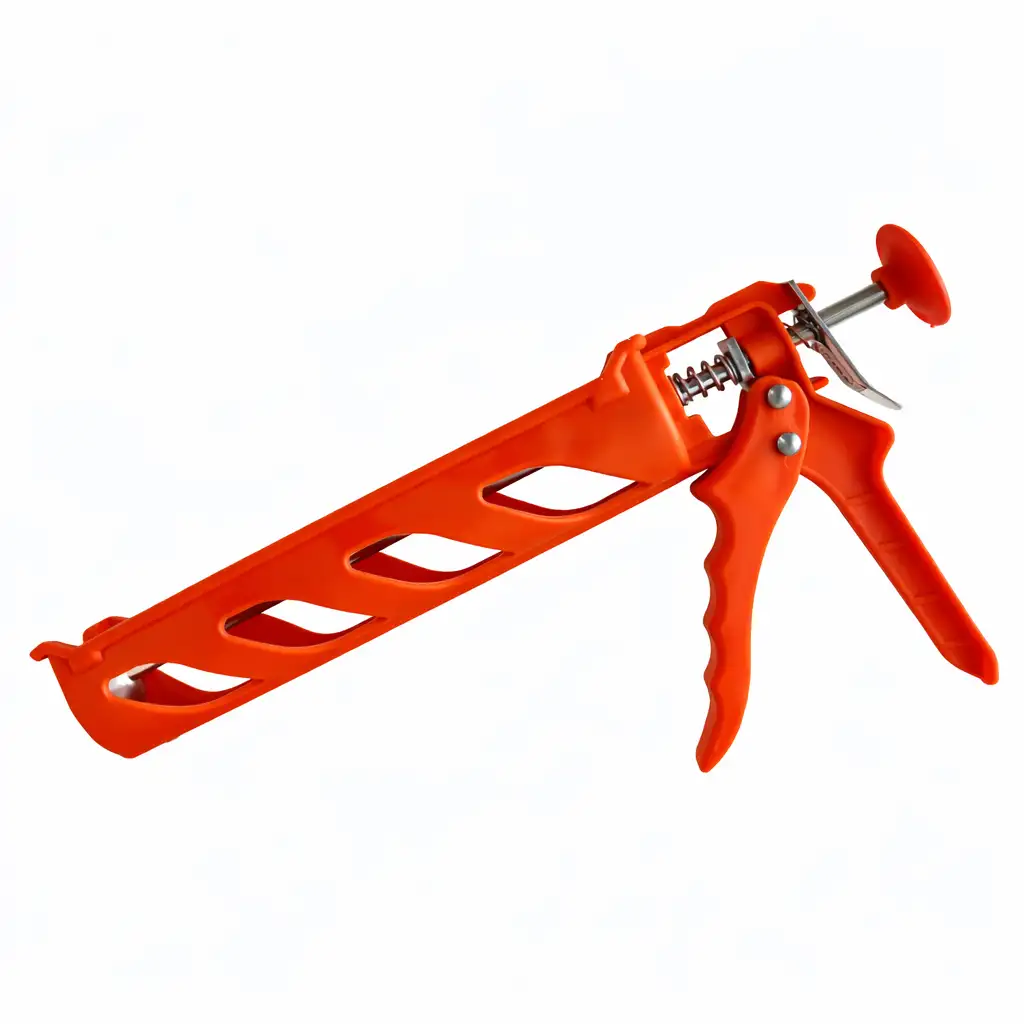

Our Single Component Caulking Gun range covers different rigid cartridge sizes, thrust options, and material resistance requirements. Single-thrust models cover routine 1K cartridge dispensing, while dual-thrust models are suited to jobs where material resistance varies between runs.
| Item No. | Spec. | Color | T/W ratio | Material |
|---|---|---|---|---|
| BTK-MG01 | MG300ml | yellow+gray | 1:18 | metal |
| BTK-MG02 | MG300ml | black+red | 1:26 | metal |
Match Cartridge Capacity: Cartridge size comes first. Barrel length, holder depth, and plunger travel have to match the single component cartridge body before anything else matters.
Check 1K Material Type: Silicone, acrylic, polyurethane, and filled 1K adhesives do not resist the plunger in the same way. Higher material resistance usually needs more push force.
Choose Single or Dual Thrust: Single-thrust models work well for repeat jobs using one stable material range. Dual-thrust models are worth considering when the same gun has to move between lighter and thicker 1K materials in one shift.
Select the Right Drive: Manual single component caulking guns are the main option for routine rigid-cartridge dispensing. For longer runs or reduced trigger effort, pneumatic guns and cordless guns are also available.
Btektech builds custom single component caulking guns when standard models do not match the cartridge format, tool structure, or working conditions you need.

If you have existing drawings, production can run directly from those specs with fixed dimensions, thrust targets, and frame layout.

When cartridge size, material resistance, and trigger force are known, the gun gets designed around those numbers.

Barrel length, holder depth, and handle geometry, can all be adjusted when standard parts do not fit the actual process.

Logo marking, color scheme, and surface finish can all be adjusted for your market or product line.
Single Component Caulking Gun is used across building, installation, repair, and sealing work — anywhere 1K materials go into rigid cartridges.

Single-component caulking guns are often used on window joints, interior edges, and finishing lines where bead control has to stay steady. Most jobs here run on silicone, acrylic, polyurethane, or hybrid sealants in cartridge format. Long joints and corner lines are where bead consistency matters most. A suitable gun keeps the bead cleaner and reduces excess material at start and stop points.

Assembly and repair work regularly uses cartridge-packed 1K adhesives for panel fixing, gap filling, and equipment sealing. Most of this work happens in tight spaces, with the operator stopping and restarting the bead again and again. Single component caulking guns make those restarts cleaner and help reduce waste on panel edges, repair joints, and narrow sealing points.

Dual-thrust single component caulking guns suit teams that switch between different 1K materials during the same sealing run. They give faster travel on lighter materials and more push force when sealant resistance goes up. Site crews running mixed jobs are the main users here, especially when silicone, polyurethane, or construction adhesive is used in rigid cartridges.


Our blog is designed to help you deepen your knowledge of fluid dispensing processes, optimize your production line, and select the best components for your specific challenges. Explore articles that connect industry insights with practical solutions.
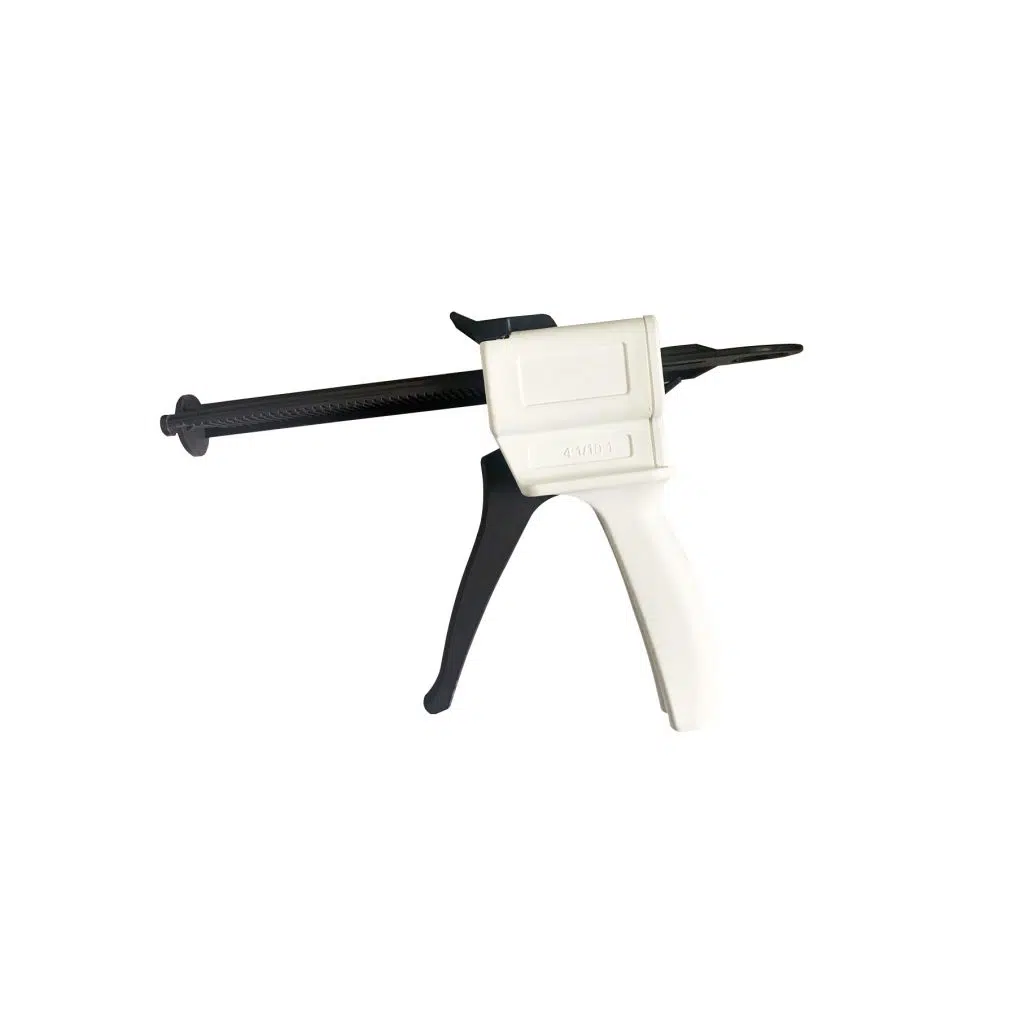
The epoxy gun, also known as a dispensing gun or caulking gun, is a handheld tool designed to dispense epoxy resins in a controlled manner.
Read More →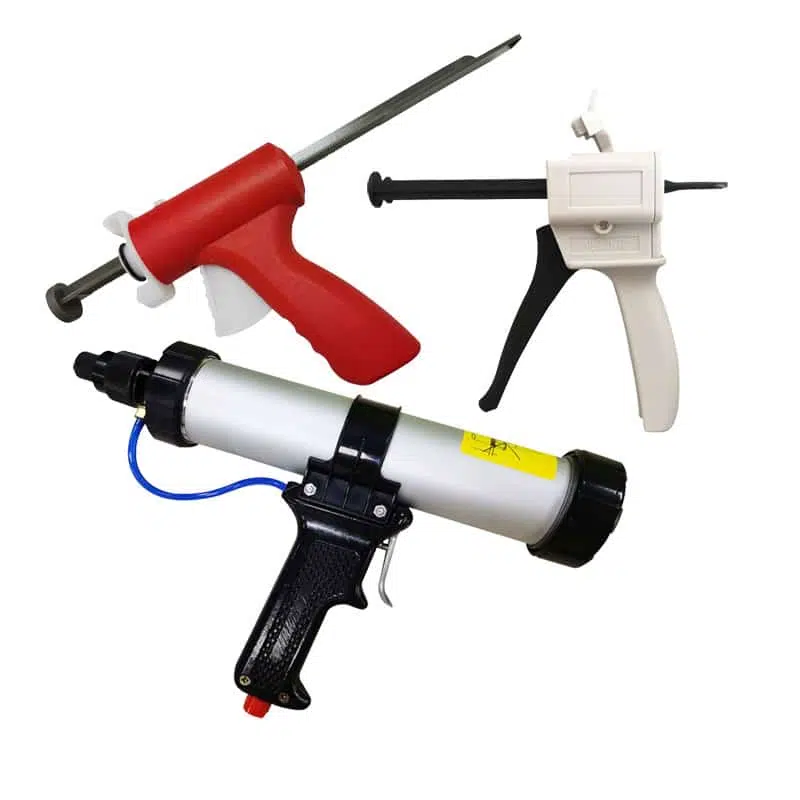
Manual caulking guns are ideal for DIY enthusiasts, small projects, and situations where portability and low cost are crucial.
Read More →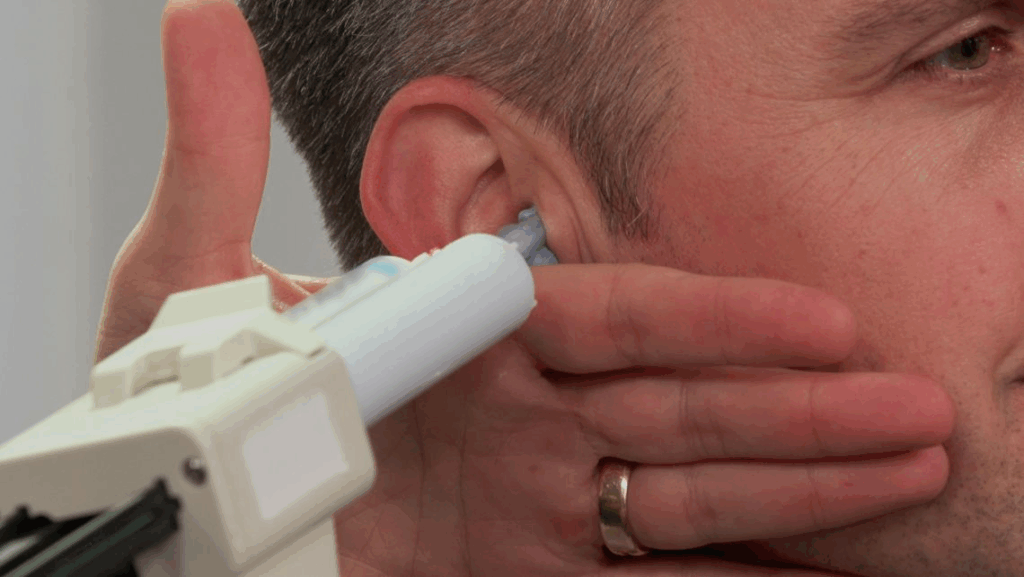
1. Introduction The foundation of a successful custom hearing aid fitting lies in the accuracy of the ear impression—a precise three-dimensional replica of the ear canal and pinna. In audiology practice, this…
Read More →