
Mastering Epoxy Mixing Nozzles in Winter: Tips for Success
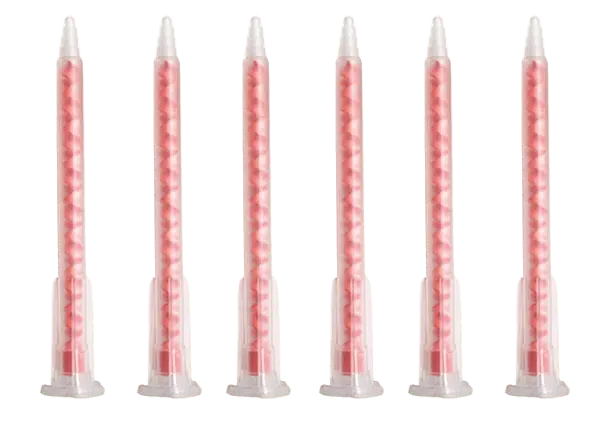
Keep your epoxy cartridges and mixing nozzles in a temperature-controlled room (around 70°F/21°C) for a few hours before use to maintain their ideal viscosity.
Unveiling the Power of Epoxy Mixing Nozzle Tips
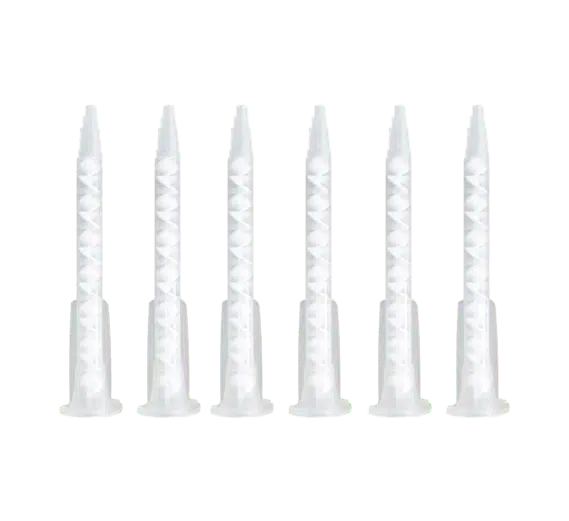
The primary function of an epoxy mixing nozzle tip is to facilitate the thorough blending of two-part epoxy resins.
All You Should Know About Epoxy Mixing Nozzles
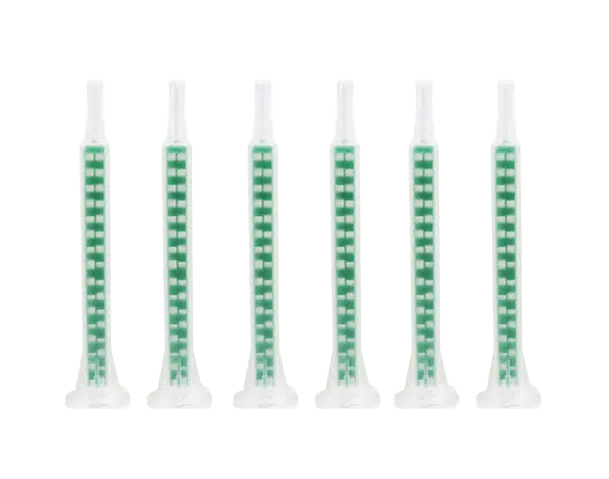
The functionality of epoxy mixing nozzles is rooted in their intricate design elements, meticulously engineered to facilitate the proper blending of epoxy components.
Exploring Dispensing Tools for Adhesives
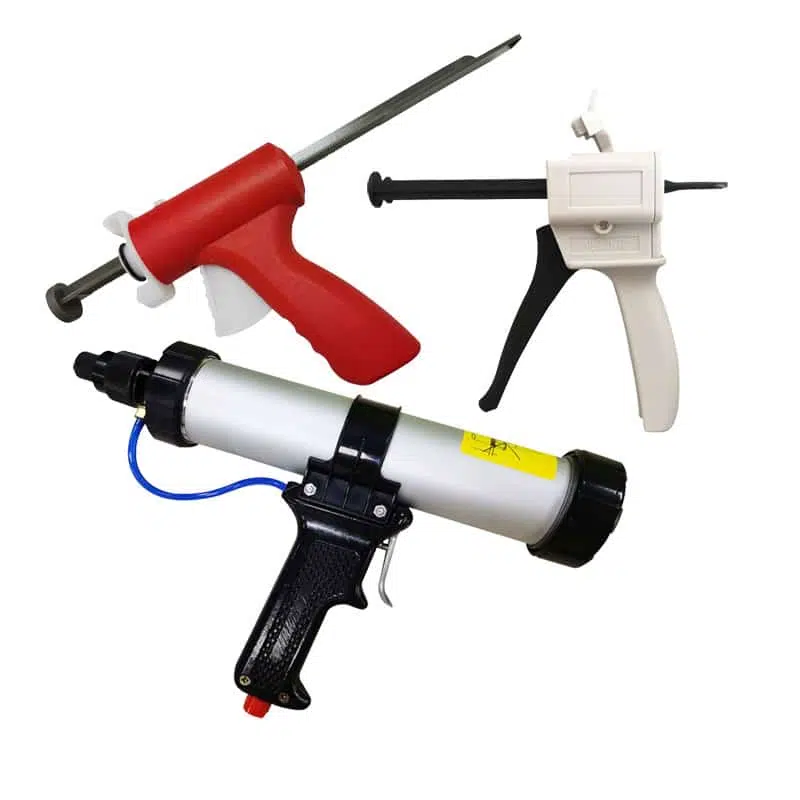
Here’s a closer look at some common dispensing tools used for adhesives:
Everything You Need to Know About Epoxy Guns
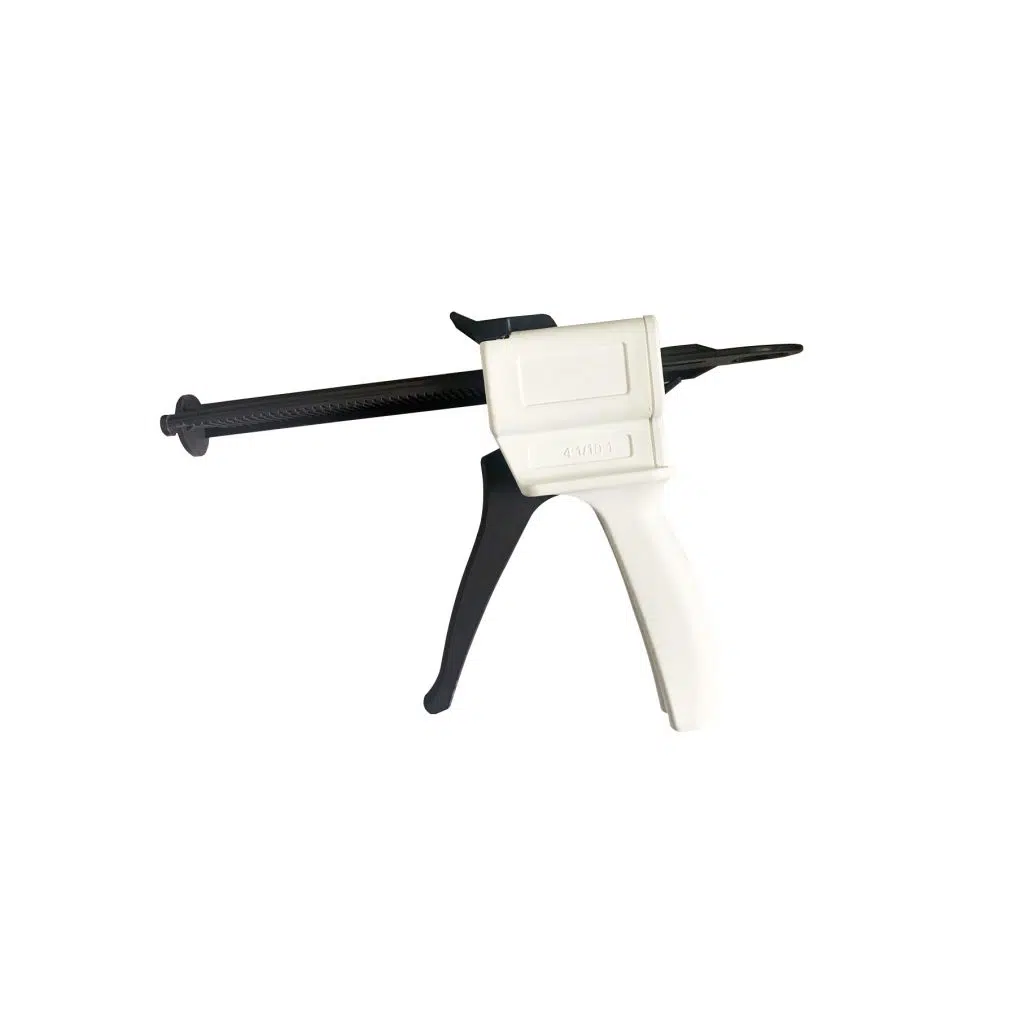
The epoxy gun, also known as a dispensing gun or caulking gun, is a handheld tool designed to dispense epoxy resins in a controlled manner.
Why You Need a Sample Before Ordering Epoxy Mixing Nozzles
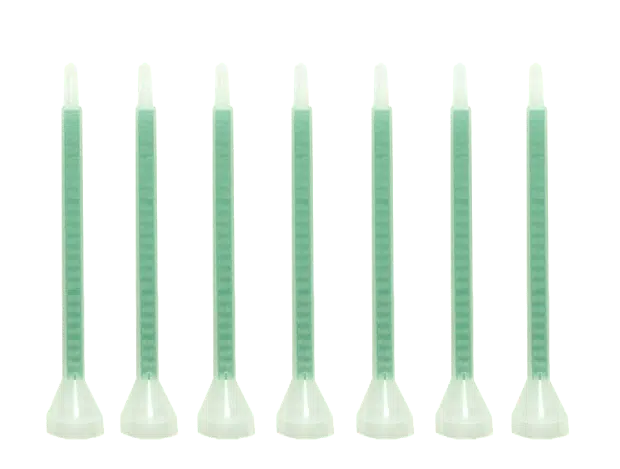
Testing a sample ensures compatibility between your specific epoxy formulation and the mixing nozzle, avoiding potential issues during application.
How to Customize Static Mixing Nozzles
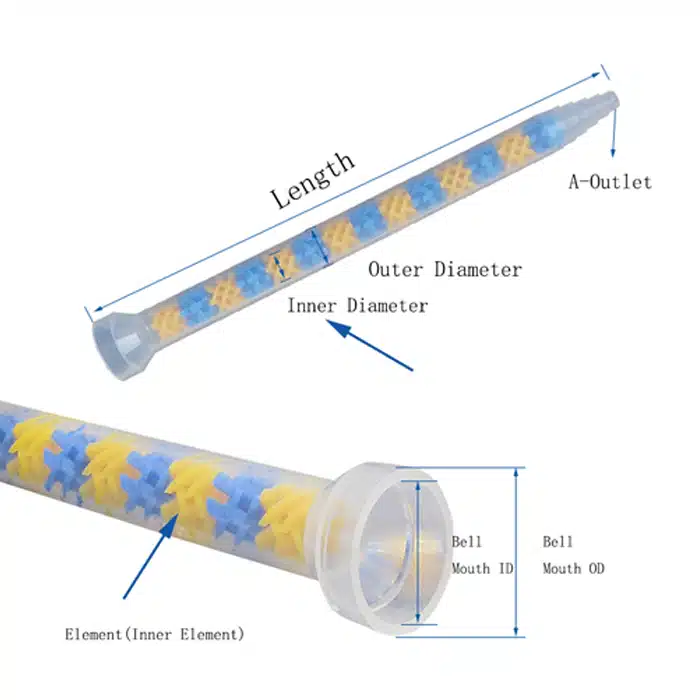
Adjusting Mixing Elements: Altering the geometry, size, or arrangement of the mixing elements within the nozzle can fine-tune the mixing process.
Exploring the Static Mixing Nozzles
In bonding and sealing applications, these nozzles ensure a consistent mix of adhesives and sealants, enhancing product performance and reliability.
How To Select The Right Epoxy Mixing Nozzle For 2K Cartridges
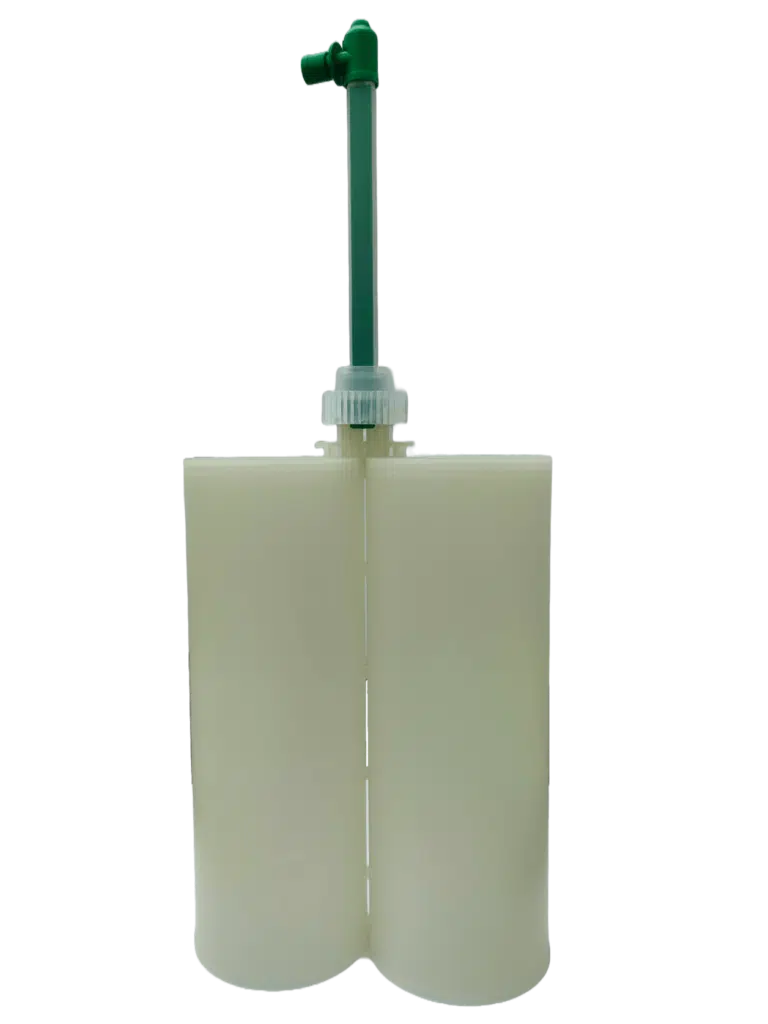
Check if the mixing nozzle is compatible with the 2K cartridge you are using. Not all mixing nozzles fit all cartridges, so ensure they are designed to work together.
Why Dispensing Tools Use Luer Lock
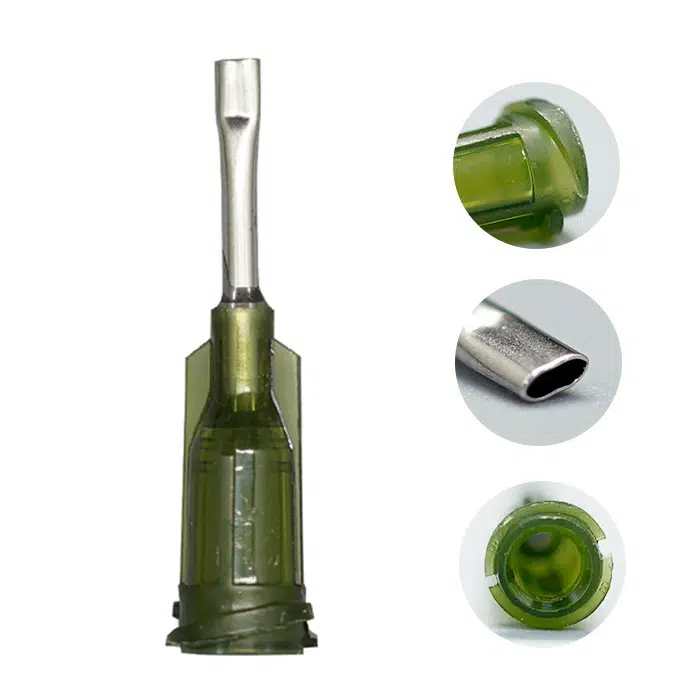
One of the primary reasons why dispensing tools use Luer lock is the exceptional leak prevention it offers.