
What you should know about dispensing syringe barrels
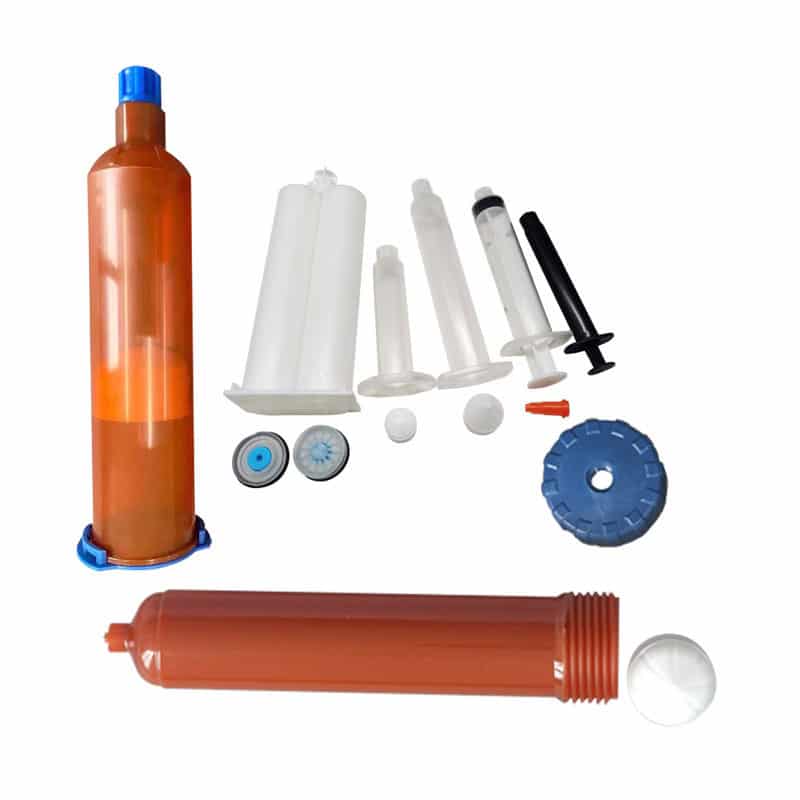
These barrels play a crucial role in accurately dispensing a variety of materials, including adhesives, sealants, lubricants, and solder pastes.
The Basics of Epoxy Guns
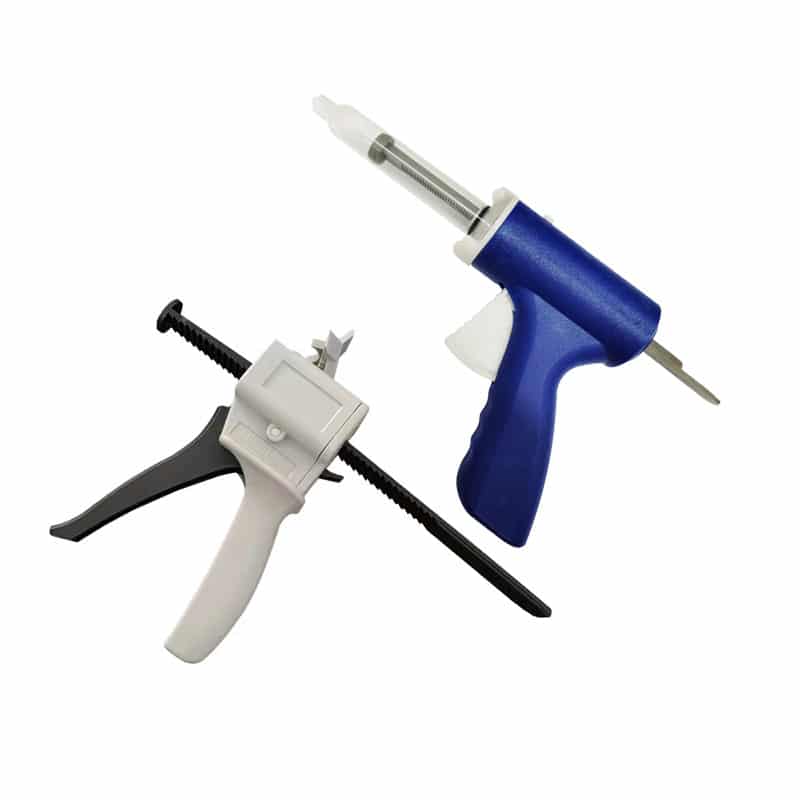
Epoxy guns come in different types, including manual guns, pneumatic guns, and battery-powered guns, each offering unique features and benefits.
How to choose the right epoxy mixing nozzle for your application
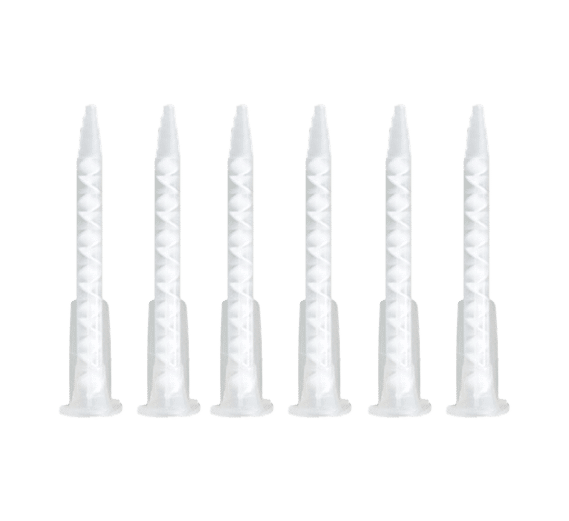
One of the critical factors to consider when selecting an epoxy mixing nozzle is the viscosity of the epoxy being dispensed.
Understanding and Preventing Cracked Epoxy Nozzles
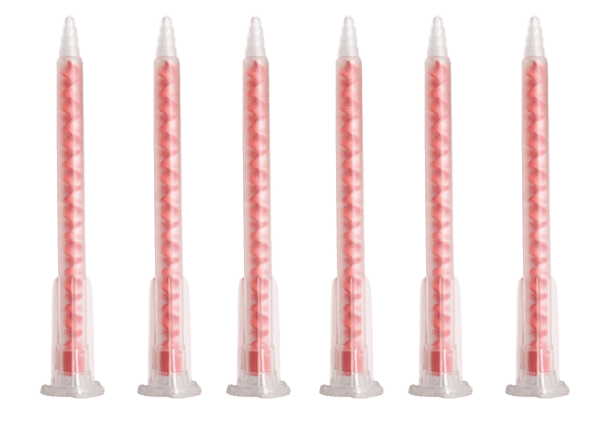
One of the primary effects of a cracked epoxy nozzle is the risk of resin leakage. Even small cracks can allow epoxy resin to escape, leading to messy and wasteful application.
Should I Heat the Epoxy Mixing Nozzle in Winter
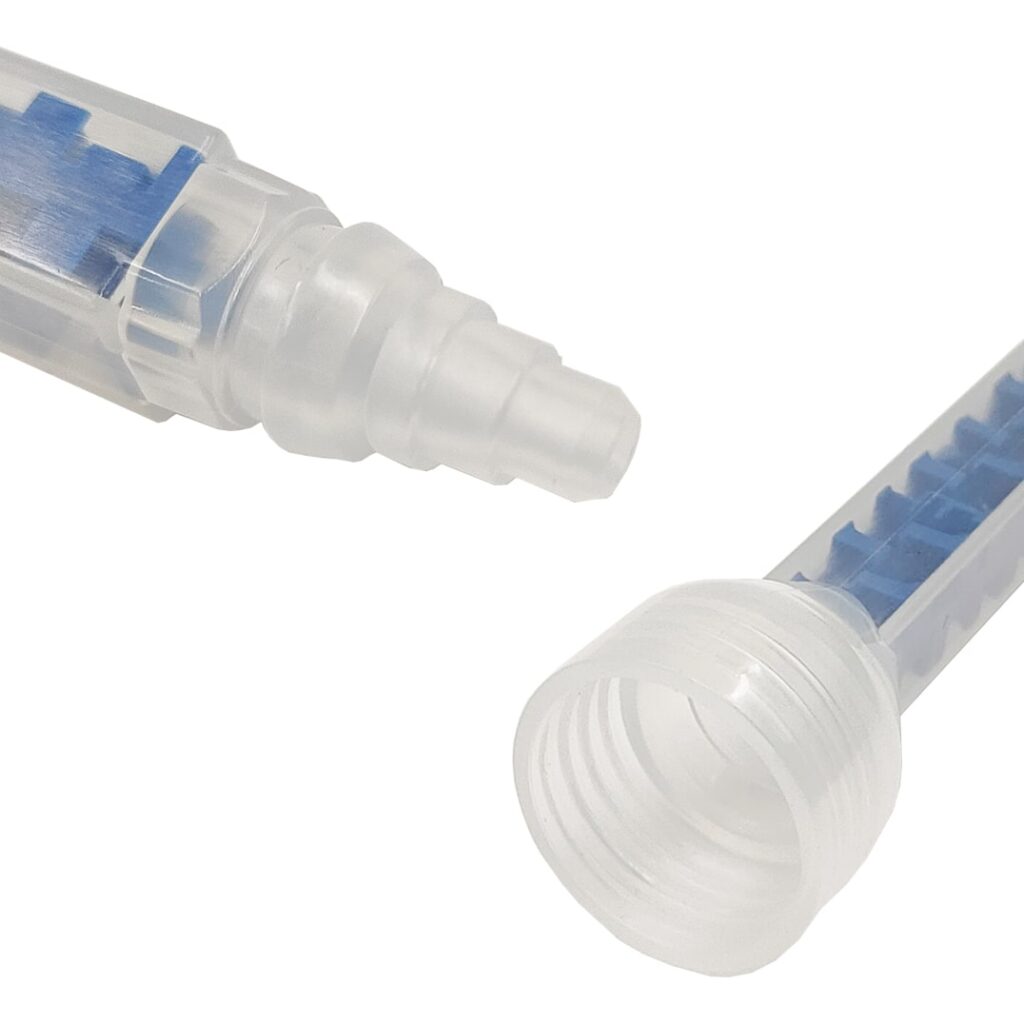
Learn how cold weather affects epoxy resin, benefits of heating the nozzle, and tips for working with epoxy in cold temperatures.
How to Avoid Air Bubbles in Resin
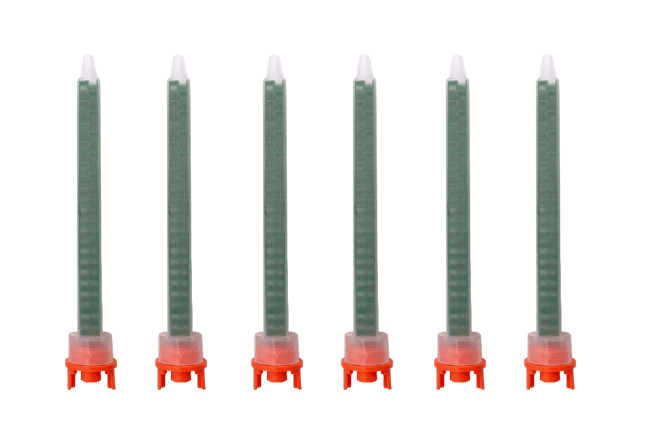
These static mixing nozzles are designed with internal elements that aid in thorough mixing of resin and hardener while minimizing the introduction of air.
Cleaning Epoxy Residue from Dual Cartridges
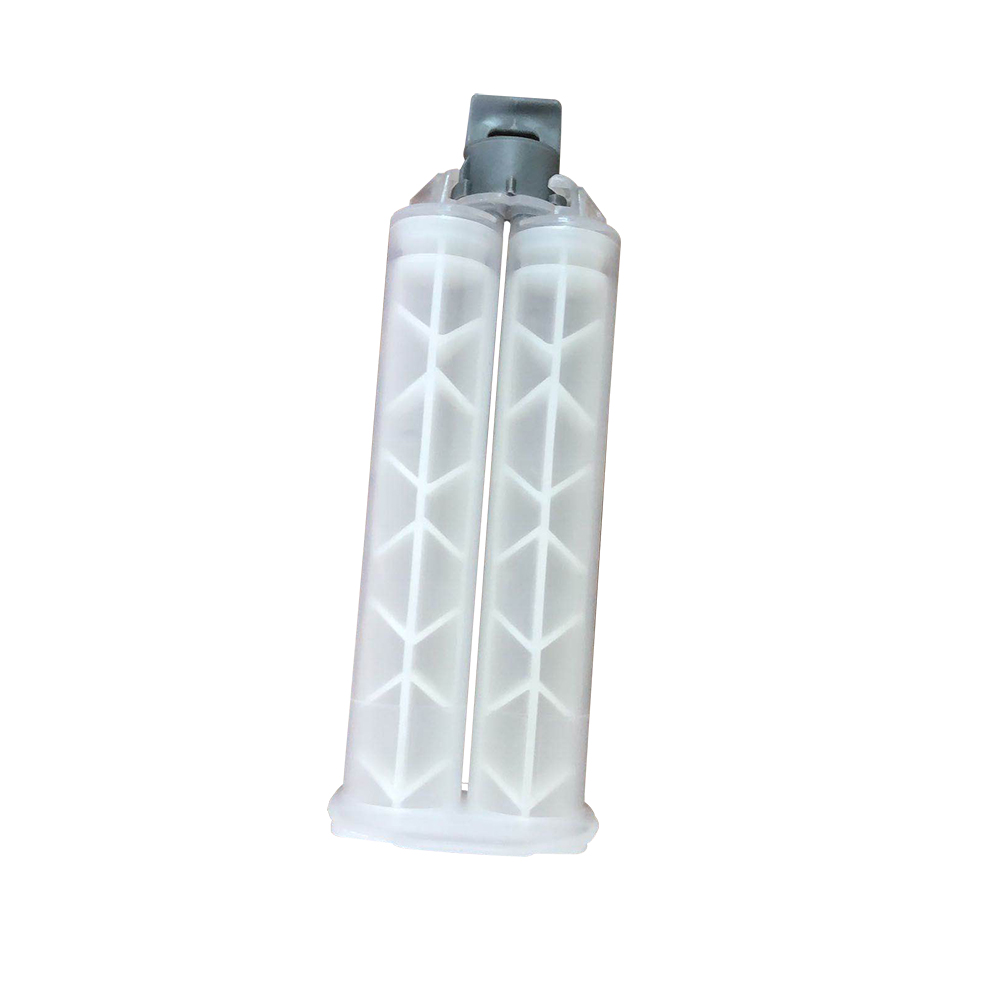
Begin by separating the mixing nozzle from the dual cartridge assembly. Evaluate the extent of epoxy residue within the cartridge and nozzle.
Mastering Epoxy Mixing Nozzles in Winter: Tips for Success
Keep your epoxy cartridges and mixing nozzles in a temperature-controlled room (around 70°F/21°C) for a few hours before use to maintain their ideal viscosity.
All You Should Know About Epoxy Mixing Nozzles
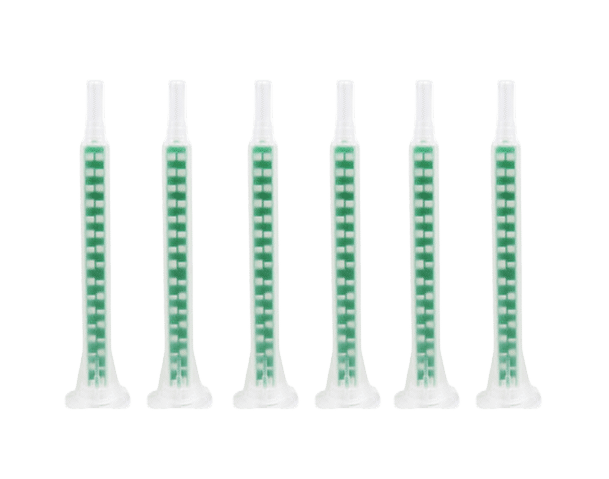
The functionality of epoxy mixing nozzles is rooted in their intricate design elements, meticulously engineered to facilitate the proper blending of epoxy components.
Exploring Dispensing Tools for Adhesives
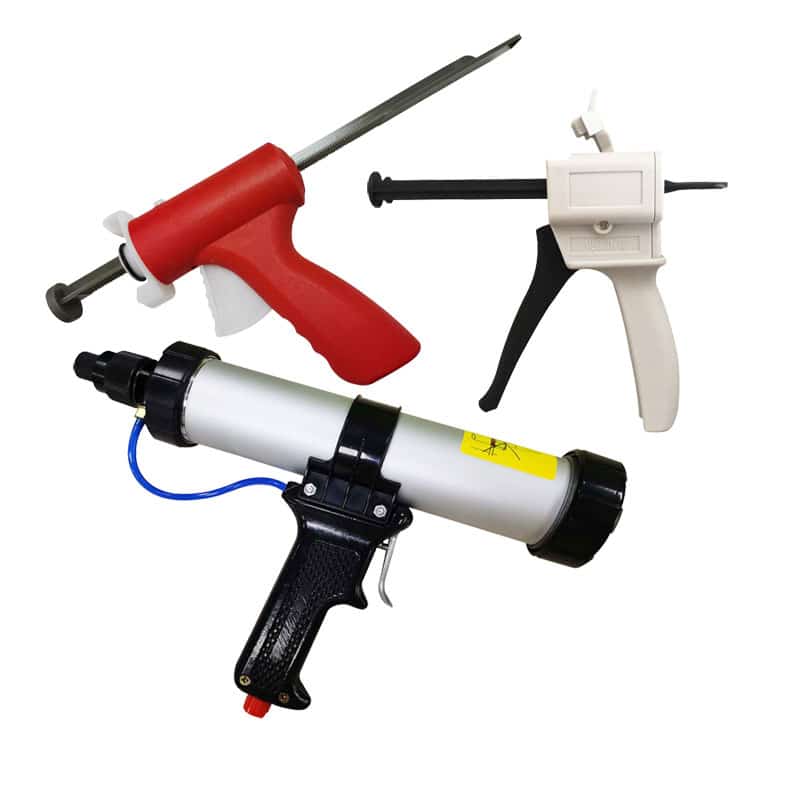
Here’s a closer look at some common dispensing tools used for adhesives: