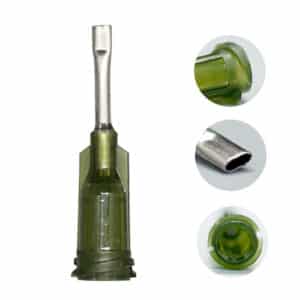
Why Dispensing Tools Use Luer Lock
One of the primary reasons why dispensing tools use Luer lock is the exceptional leak prevention it offers.

One of the primary reasons why dispensing tools use Luer lock is the exceptional leak prevention it offers.
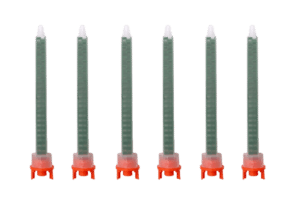
High-viscosity adhesives can be difficult to mix evenly without a static mixing nozzle due to their thick consistency.
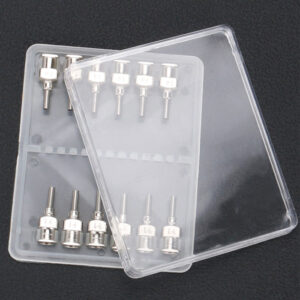
In this article, we will explore the best practices for storing stainless steel dispensing tips.
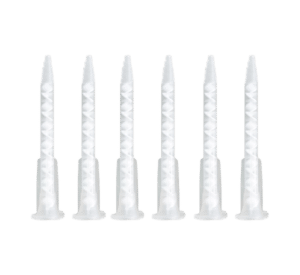
Moisture in the nozzle can disrupt the mixing process, resulting in an inconsistent mixture. This not only reduces the adhesive’s effectiveness but can also cause structural weaknesses.
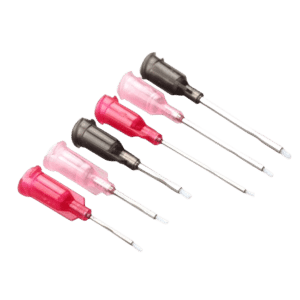
The first step in proper storage is to protect your adhesive dispensing tips from dust, debris, and moisture.
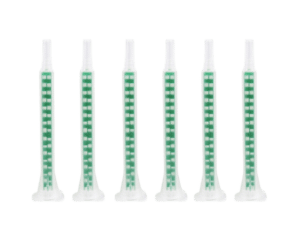
Static mixing nozzles enable seamless transitions between colors, allowing for intricate and visually stunning 3D prints.
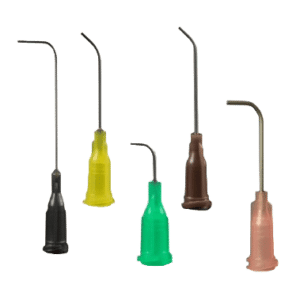
Angled dispensing tips are specialized attachments used in conjunction with syringes, dispensers, or other fluid dispensing equipment.
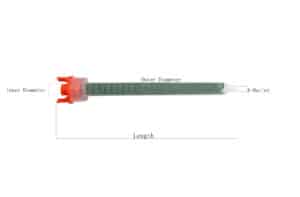
By wearing gloves and following recommended safety practices, you can minimize risks and ensure a safer working environment when using static mixing nozzles.
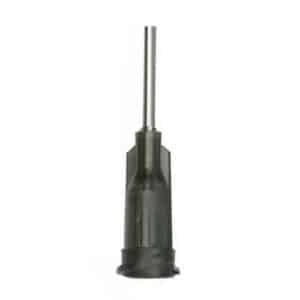
While epoxy mixing nozzles provide a solid foundation for adhesive precision, the incorporation of dispensing tips takes the process to the next level.
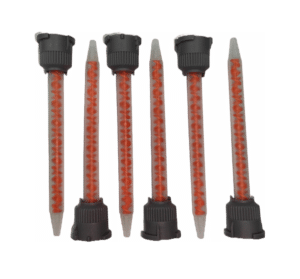
Two-Component Epoxy Adhesives: These adhesives typically consist of a resin and a hardener that need to be mixed in precise ratios before application.
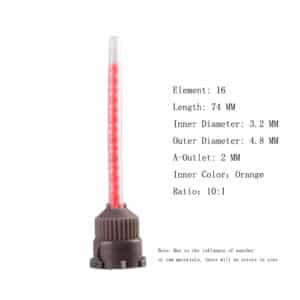
Adhesives with low viscosity, like watery liquids, flow easily.For these adhesives, shorter static mixing nozzles with fewer mixing elements are sufficient.
When blemishes such as cracks, chips, or imperfections mar the perfection of solid surface installations, adhesive mixing tips step in as saviors