
Static Mixing Nozzles in 3D Printing
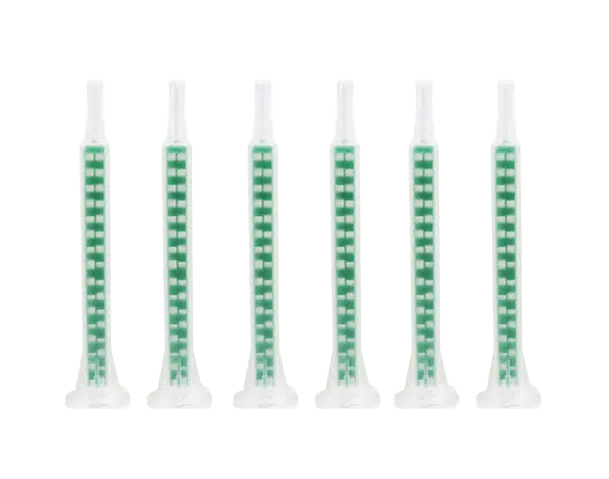
Static mixing nozzles enable seamless transitions between colors, allowing for intricate and visually stunning 3D prints.
Why do your epoxy mixing nozzles always crack
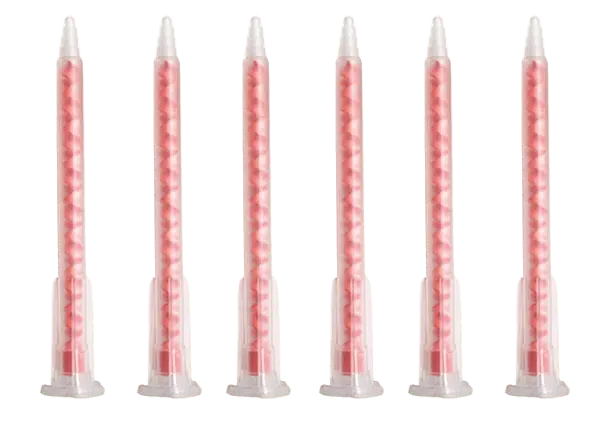
The quality of your mixing nozzles matters. Low-quality or generic nozzles may not withstand the chemical properties and pressure of epoxy resin.
Exploring the Advantages of Angled Dispensing Tips
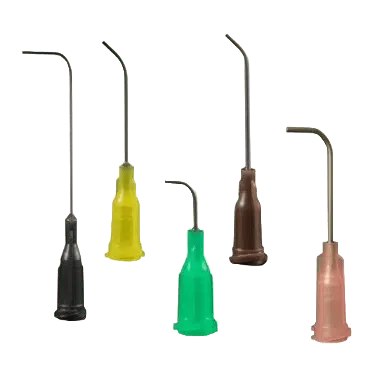
Angled dispensing tips are specialized attachments used in conjunction with syringes, dispensers, or other fluid dispensing equipment.
Should You Wear Gloves When Using Static Mixing Nozzles
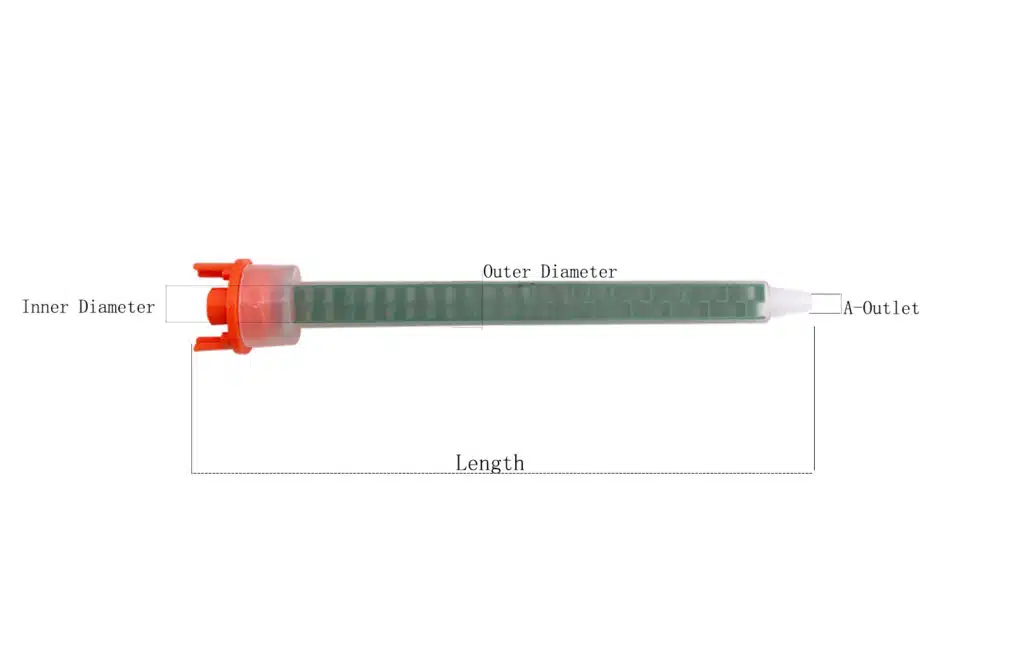
By wearing gloves and following recommended safety practices, you can minimize risks and ensure a safer working environment when using static mixing nozzles.
How to Dispose of Used Epoxy Mixing Nozzles Safely
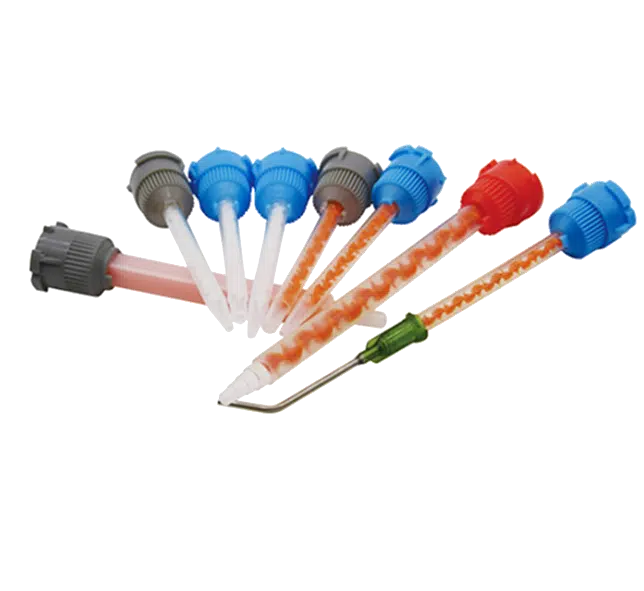
Due to the potentially hazardous nature of epoxy residues, it’s crucial to follow proper disposal procedures to protect the environment and adhere to safety regulations.
Why Epoxy Mixing Nozzles Need Dispensing Tips
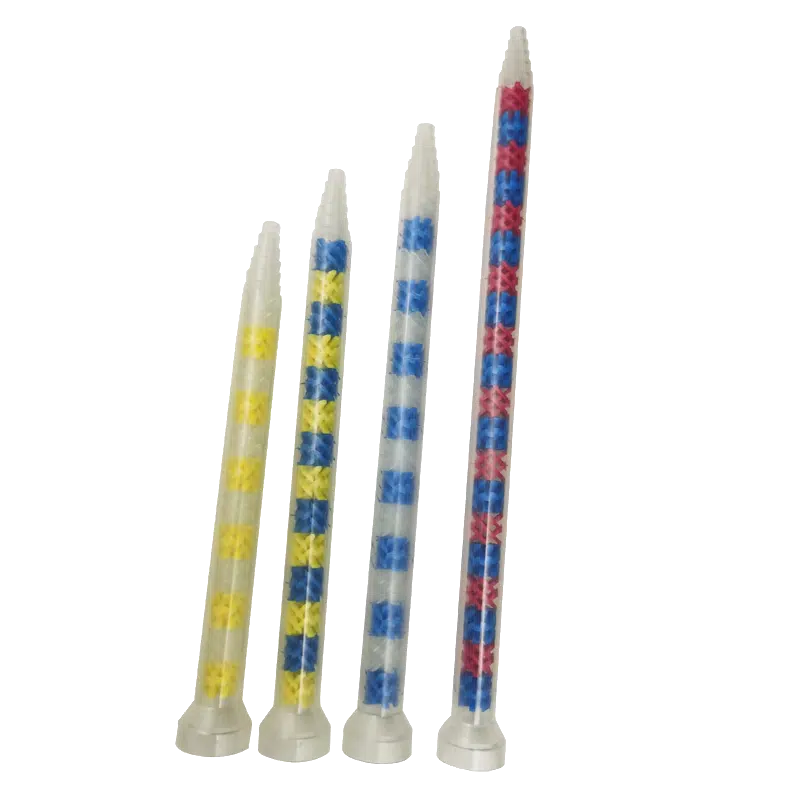
Epoxy mixing nozzles are excellent tools for blending epoxy resin and hardener, but to achieve the best results, they should be paired with dispensing tips.
Why You Need Dispensing Tips for Epoxy Mixing Nozzles
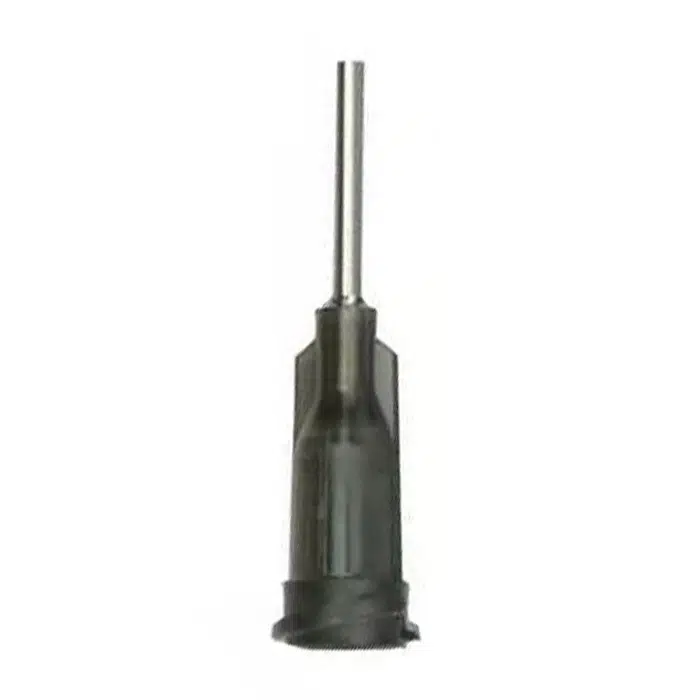
While epoxy mixing nozzles provide a solid foundation for adhesive precision, the incorporation of dispensing tips takes the process to the next level.
Which Adhesives Require Static Mixing Nozzles
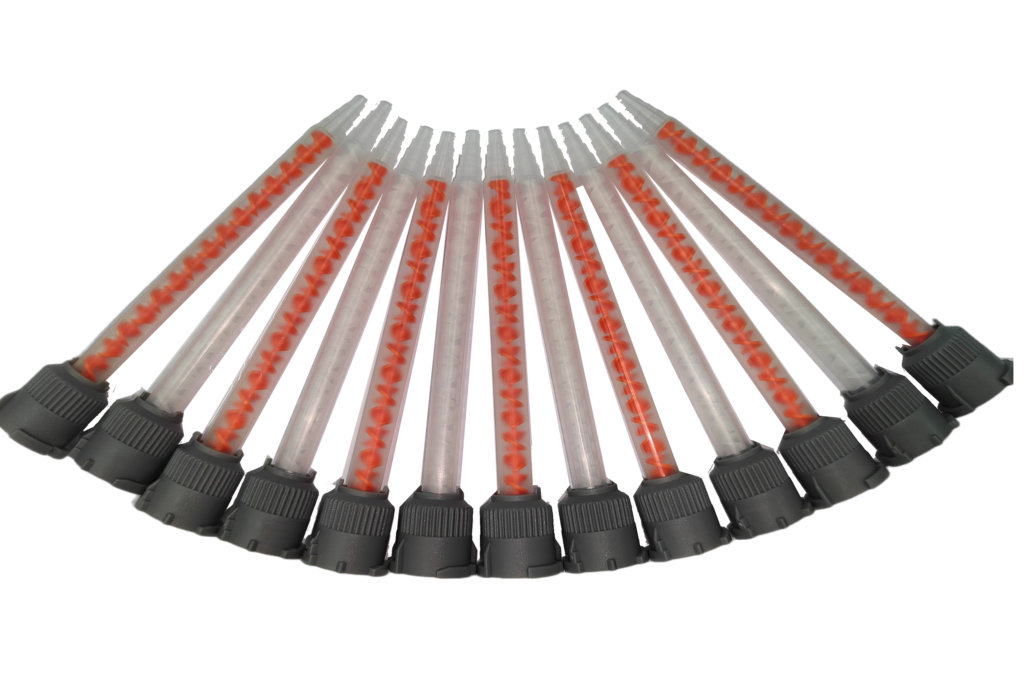
Adhesives that require static mixing nozzles are available: Two-Component Epoxies, Polyurethane Adhesives, Methyl Methacrylate (MMA) Adhesives
10 Applications of Static Mixing Nozzles
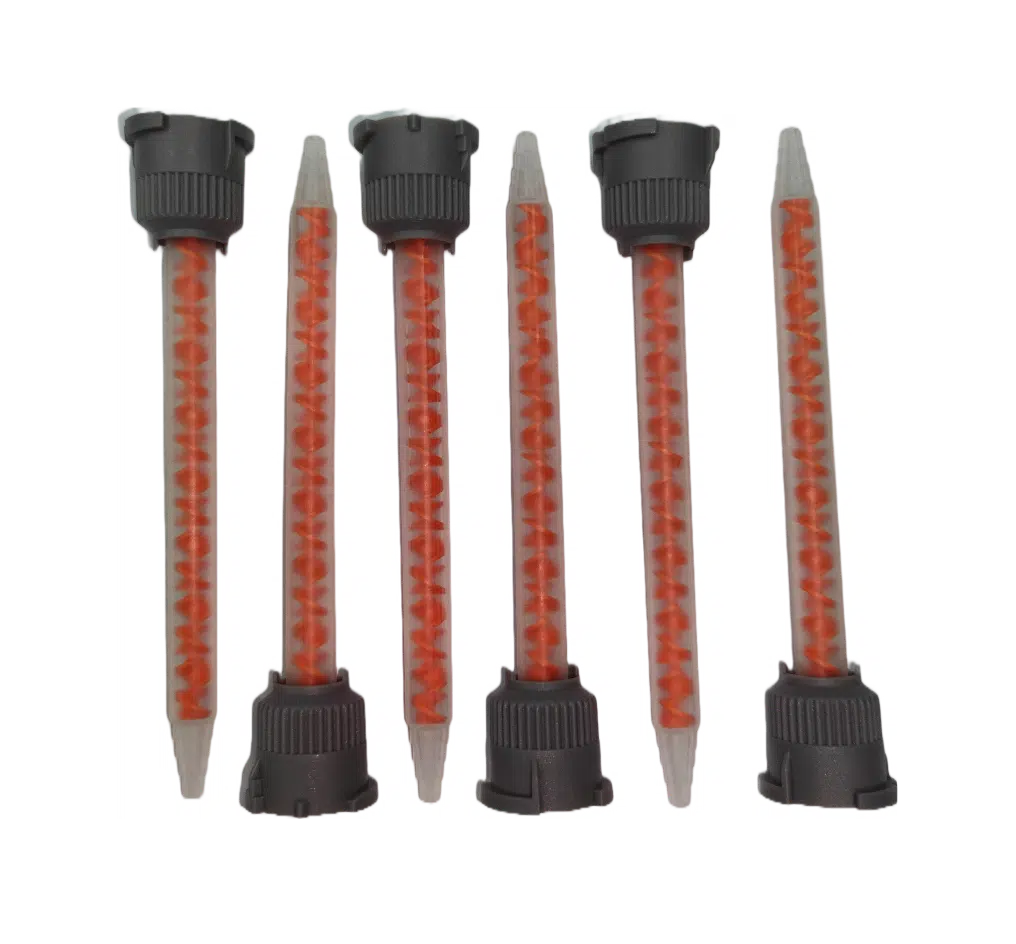
Two-Component Epoxy Adhesives: These adhesives typically consist of a resin and a hardener that need to be mixed in precise ratios before application.
Sourcing Epoxy Mixing Nozzles from Factories in China
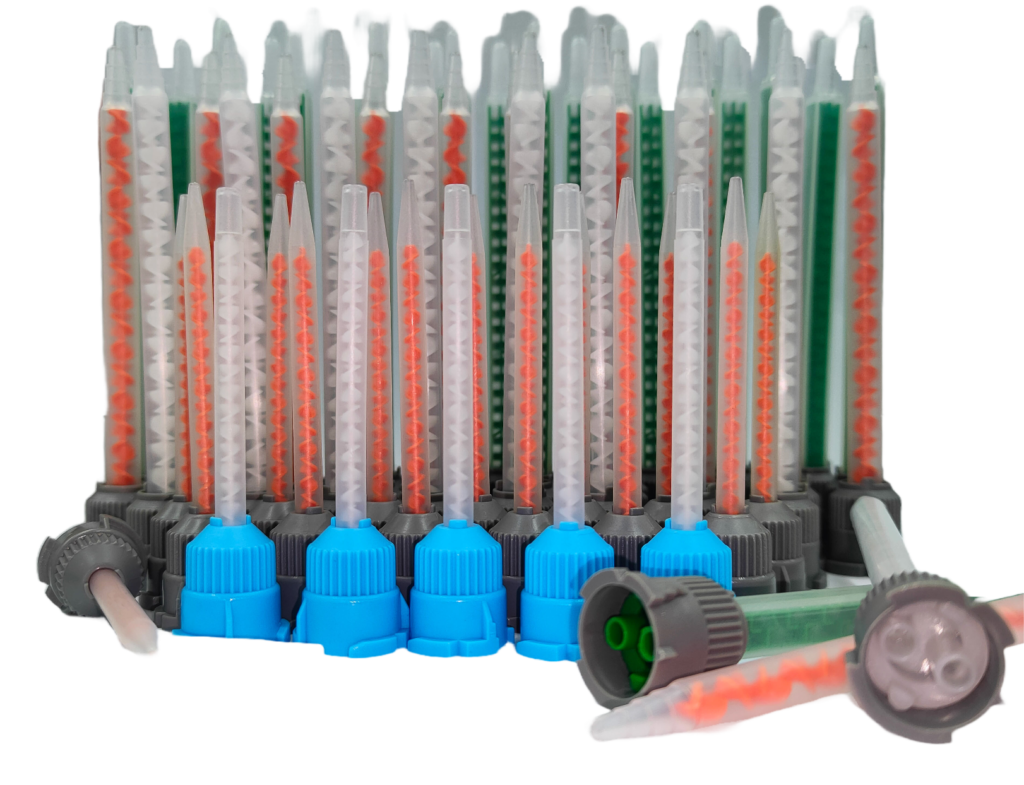
Chinese factories often offer competitive pricing due to lower production costs. This can lead to significant savings, especially for bulk purchases