
Why you need an epoxy mixing nozzle
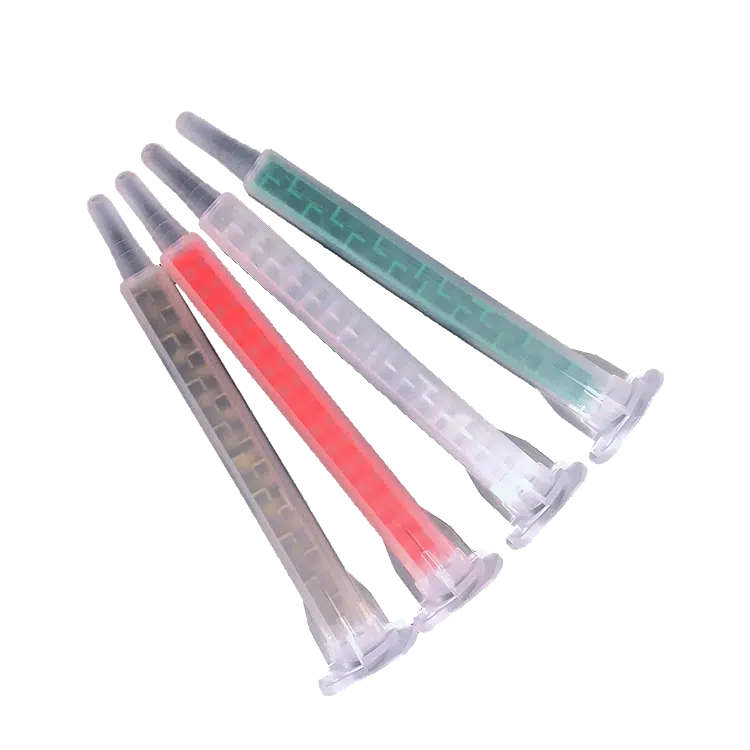
Time is of the essence in many epoxy projects, and an epoxy mixing nozzle can significantly enhance your workflow efficiency.
How to store epoxy mixing nozzles correctly
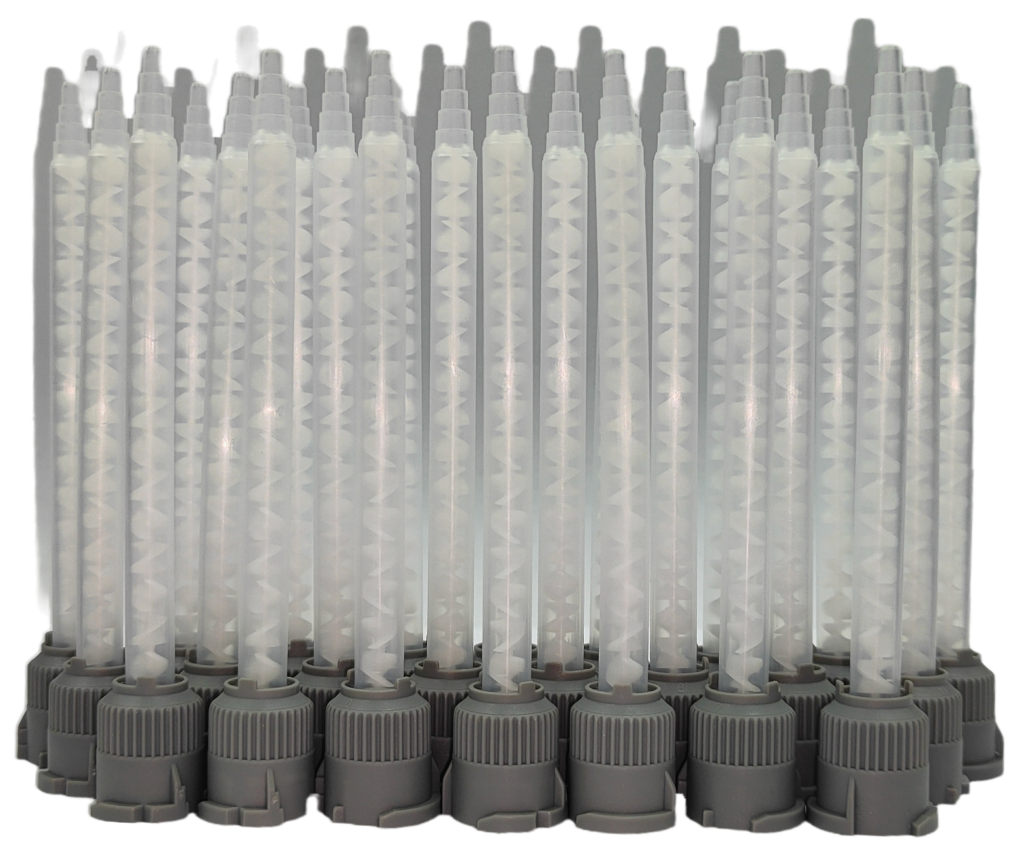
In this article, we will explore the importance of storing epoxy mixing nozzles correctly and provide a comprehensive guide on the best practices to maximize their lifespan.
Epoxy Mixing Nozzles & Dental Mixing Tips
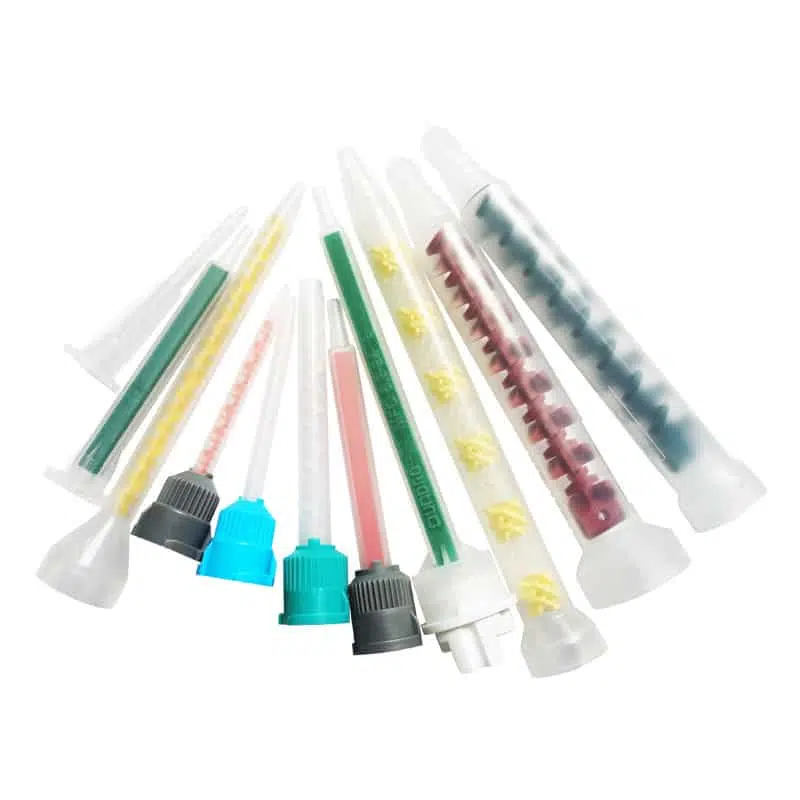
Epoxy mixing nozzles and dental mixing tips are two commonly used tools that facilitate the blending process.
Troubleshooting Inadequate Mixing with Epoxy Mixing Nozzles

One of the primary reasons for incomplete mixing is an incorrect mixing ratio. Epoxy adhesives require precise proportions of resin and hardener to achieve the desired bond strength and curing characteristics.
The Bubbles in Epoxy Mixing Nozzles
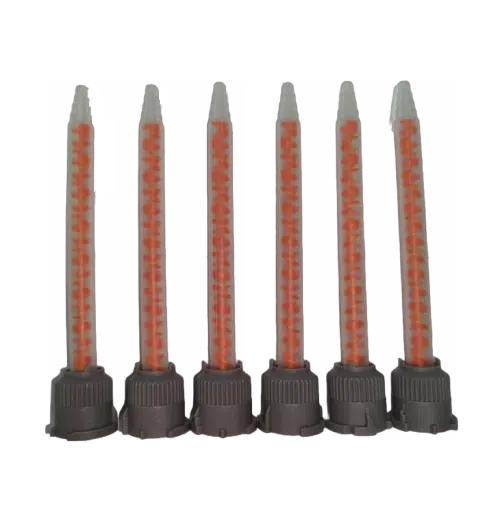
One common cause of bubbles in epoxy resin is the entrapment of air during the dispensing process. Air can get trapped within the resin as it flows through the nozzle, resulting in the formation of bubbles.
The Ultimate Guide to Adhesive Mixing Tubes
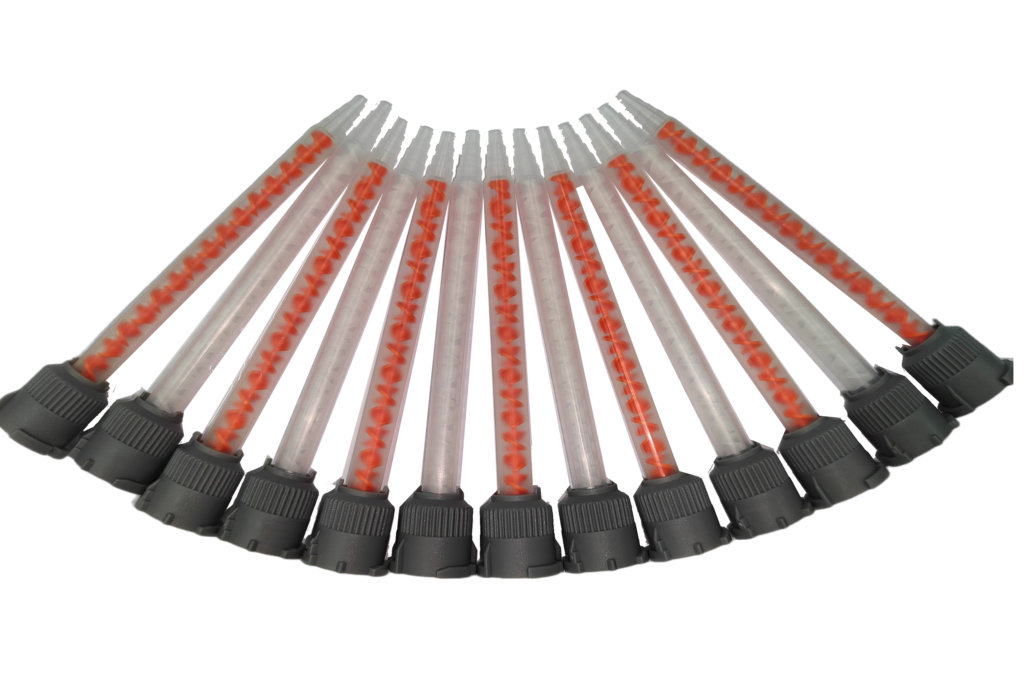
Adhesive mixing tubes, also known as static mixer nozzles or epoxy mixing nozzles, are specially designed components used for dispensing two-component adhesives, sealants, or resins.
Tips for using epoxy mixing nozzles in summer
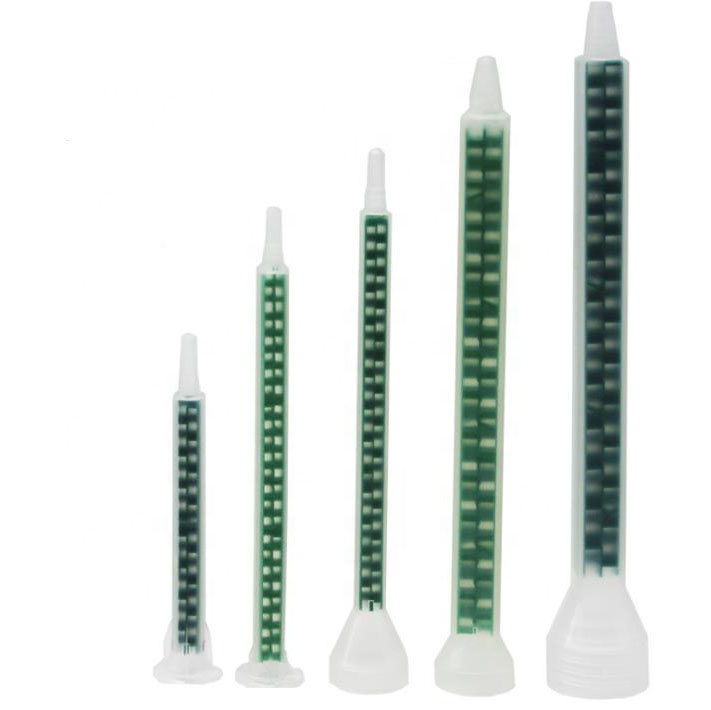
In this article, we will explore some important things to pay attention to when using epoxy resin nozzles in the summer.
Spiral Mixing Nozzles vs Square Mixing Nozzles
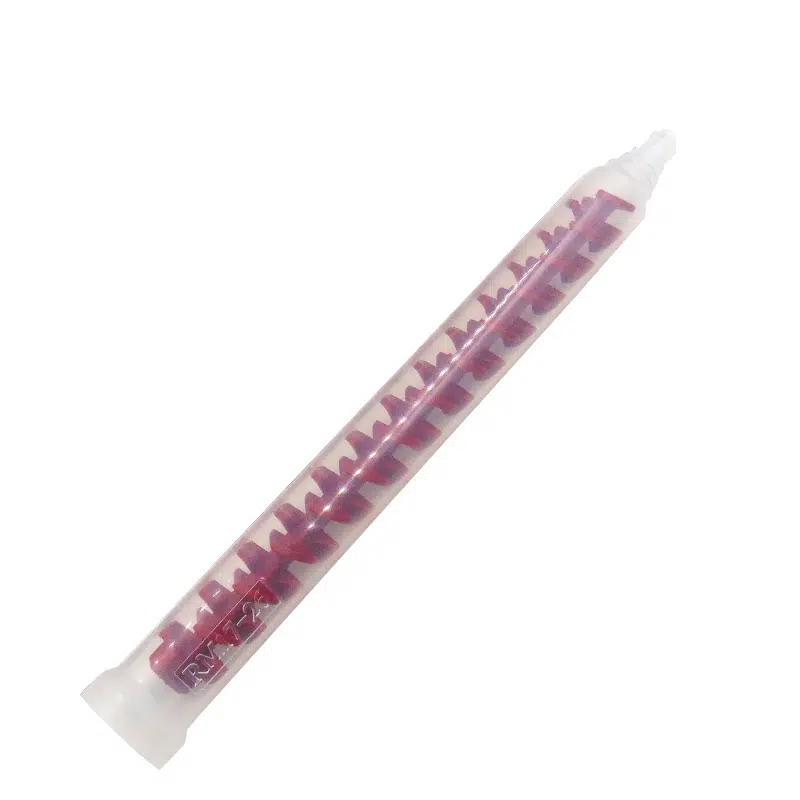
Spiral mixing nozzles excel in enhanced mixing and reduced pressure drop, while square mixing nozzles offer turbulence generation and higher shear rates.
Static Mixing Nozzles vs. Dynamic Mixing Nozzles for Adhesive Applications
For applications requiring consistent blending across a range of viscosities, static mixing nozzles are an ideal choice.
What happens if you don’t mix epoxy enough
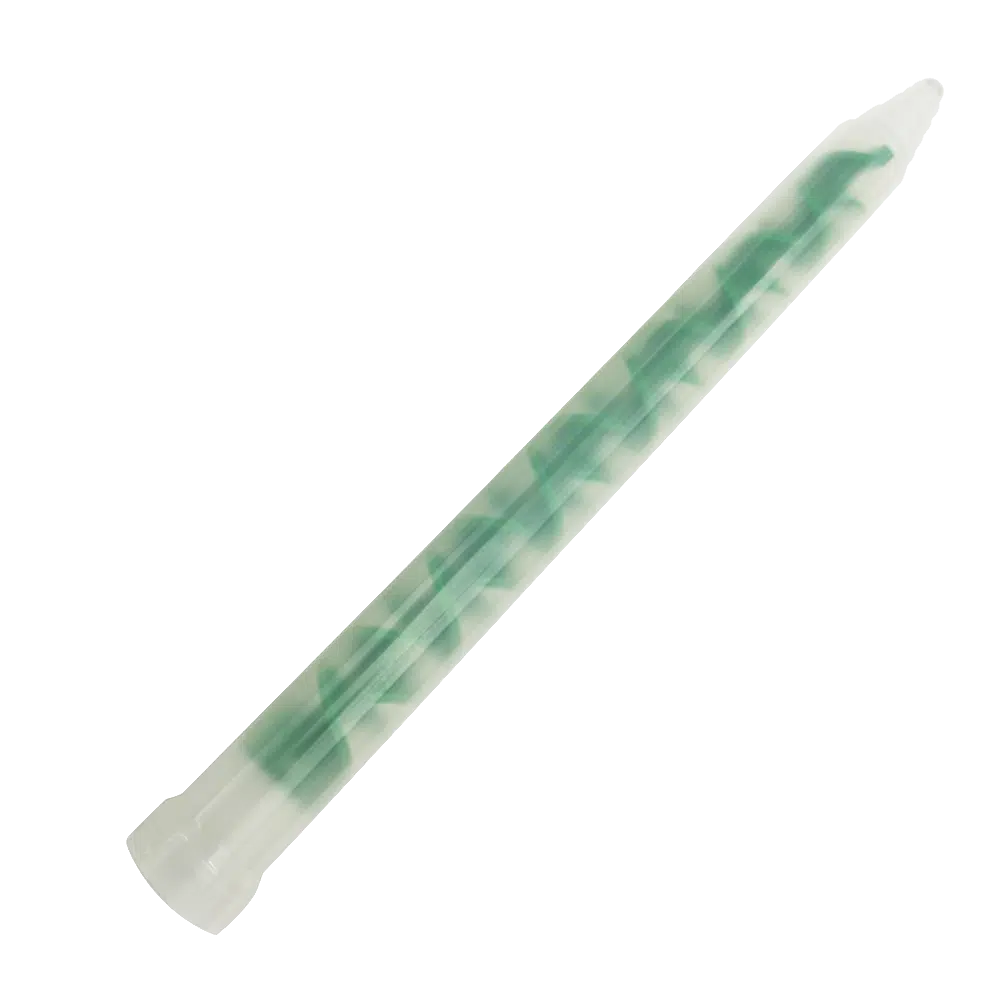
One of the primary consequences of insufficient mixing is incomplete curing. Insufficient mixing can also result in poor adhesion between surfaces.