Banner

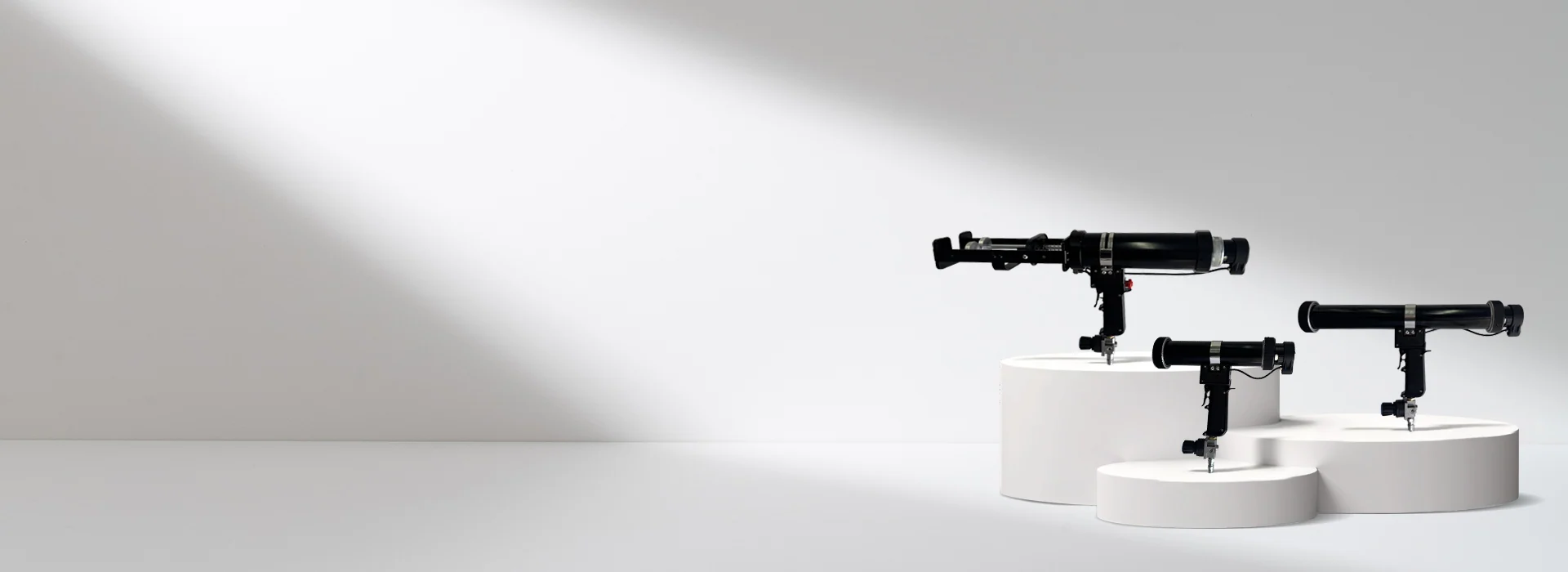
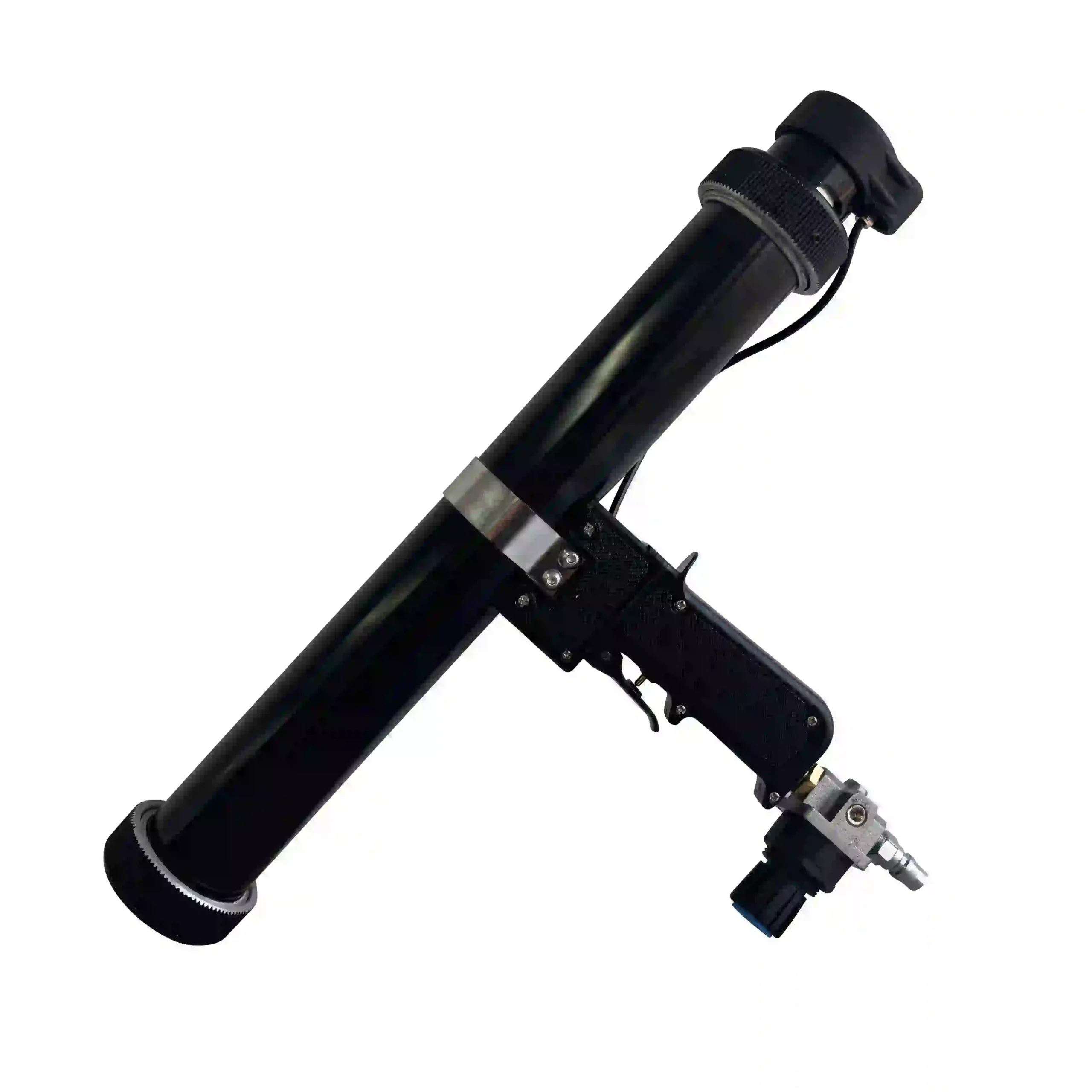
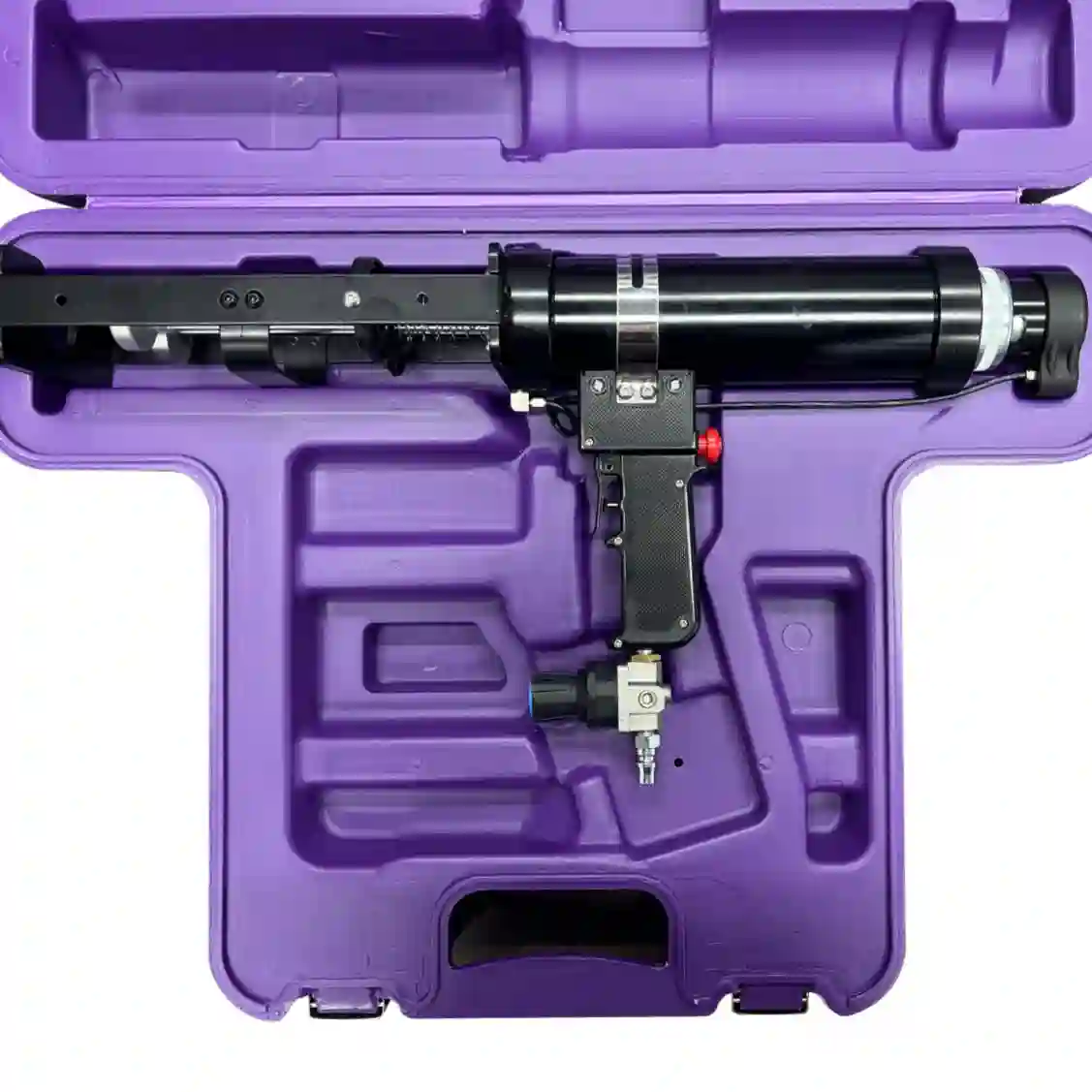
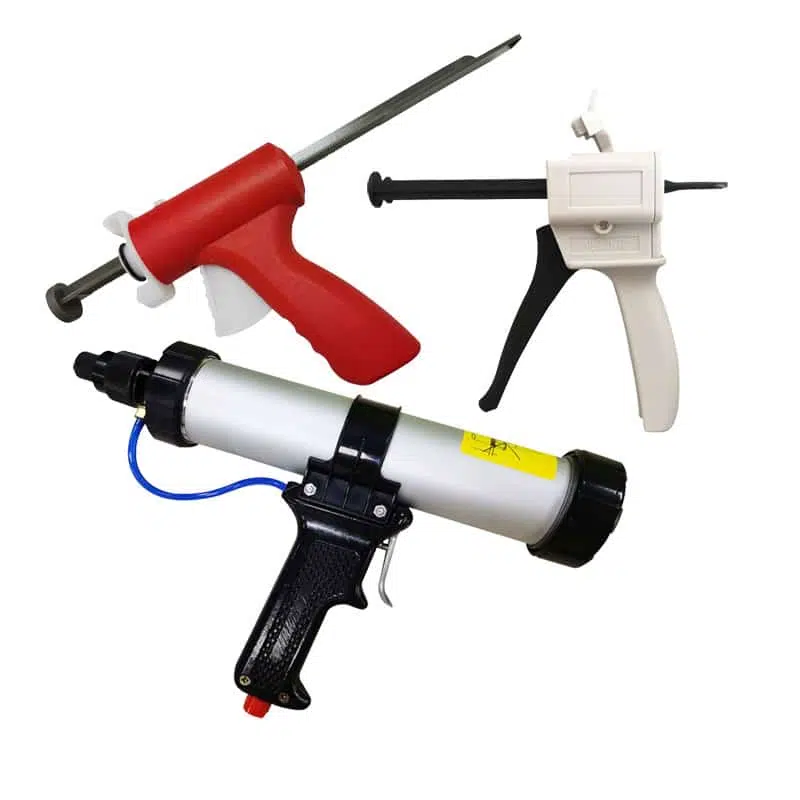
Pneumatic Caulking Gun

Air-powered dispensing for single- and two-component adhesives

As a specialized manufacturer of dispensing solutions, Btektech knows that manual tools cannot meet your high-precision dispensing requirements. We manufacture Pneumatic Caulking Guns powered by compressed air, ensuring accuracy, eliminating erratic beads, and providing smoother, more effortless dispensing performance.

Product Advantages & Technical Features

Thumb
Thumb
Thumb
Thumb
Our Air Powered Dispensing Guns effectively solves the common issue of “bead stutter” in high-viscosity applications, by shifting the workload to the air cylinder, thus avoiding pressure fluctuations that occur during manual operation.

  • Multiple options available: We offer a variety of products suitable for different volumes or ratios of single- and two-component adhesives.
  • Adjustable flow control: You can fine-tune the dispensing speed of the dispensing gun based on the material viscosity and nozzle resistance.
  • Anti-Ooze Control: Quick-exhaust valves dump head pressure instantly upon trigger release to stop “tailing.”
  • High-Thrust Efficiency: High-efficiency cylinders provide the “grunt” needed for stubborn materials that stall manual tools.
  • Ergonomic Balance: The design shifts weight toward the air system, significantly reducing the risk of repetitive strain during long shifts.

How to Choose the Right Pneumatic Caulking Gun

Choosing a pneumatic caulking gun is not simply about switching from manual to air-powered operation. From an application engineer’s perspective, the key question is whether air assist improves control under your real process conditions.
Read More
  • Single vs. Two-Component Materials: Single-component sealants mainly require smooth, uninterrupted push. Two-component adhesives introduce an additional constraint: both materials must advance together at a fixed mechanical ratio, such as 1:1 or 10:1. Pneumatic force supplies thrust, but ratio accuracy comes from the gun’s internal mechanical layout—not air pressure.
  • Capacity and Handling Trade-Offs: 300 ml cartridges are easier to maneuver in confined spaces, while 600 ml cartridges or sausage packs reduce reload frequency. In practice, larger formats improve workflow continuity but add weight and inertia, which become noticeable during overhead or vertical work.
  • Ratio Is a Mechanical Design: For two-component dispensing, the gun must be built specifically around the adhesive’s ratio. Pneumatic drive cannot compensate for a mismatched ratio; it only makes force delivery more consistent once the ratio is mechanically fixed.
  • Viscosity and Real Back Pressure: High-viscosity or filled materials behave very differently once they enter a nozzle or static mixer. While pneumatic drive helps maintain forward motion, nozzle geometry, mixer length, and material temperature still determine how controllable the flow feels during actual dispensing.

Product Models & Technical Specifications

Below is a selection of our most popular Pneumatic Caulking Gun models. As a leading manufacturer, Btektech offers an extensive range of specifications and configurations beyond what is listed here. For a comprehensive overview of all our dispensing consumables, please contact us or download the product catalog.
Read More
Item No. Spec. Color Material
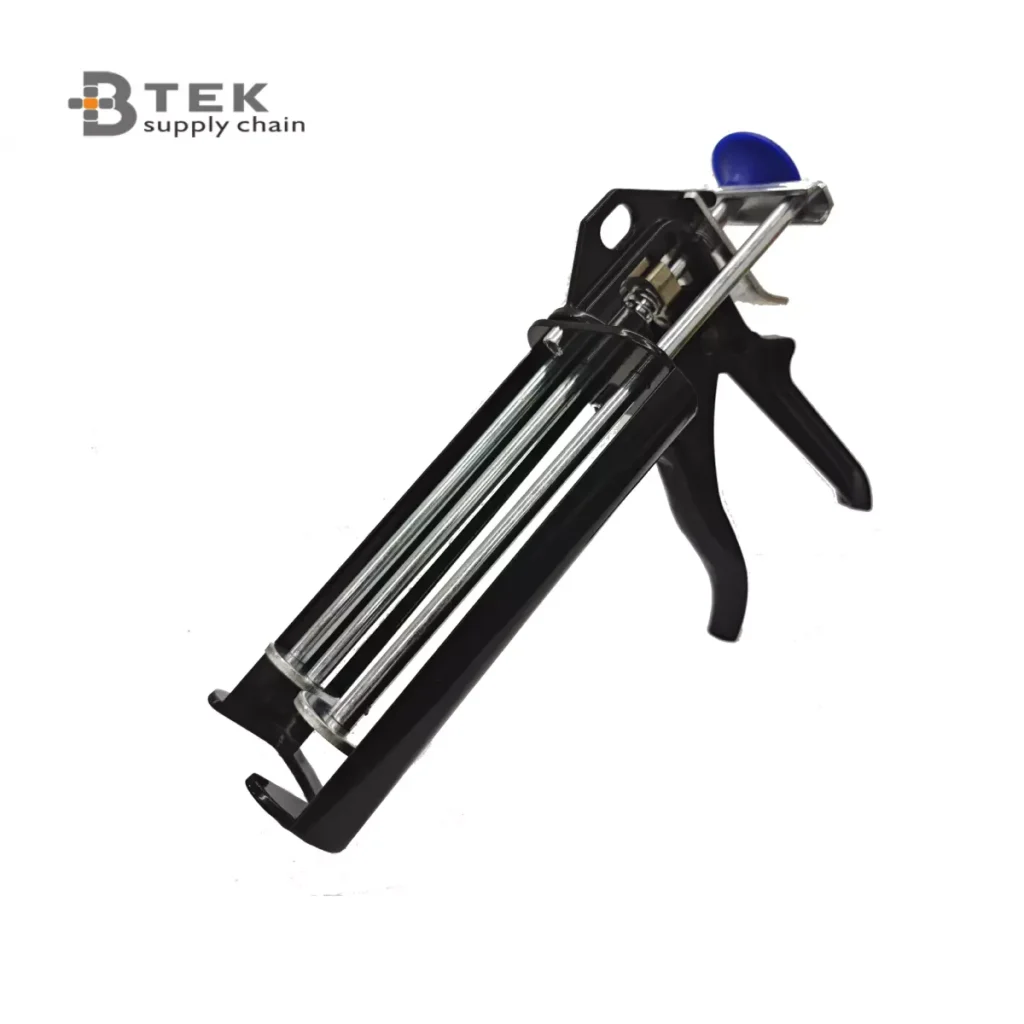
BTK-AG01 AG400ml (1:1) black metal+Plastic
BTK-AG02 AG600ml (1:1) black metal+Plastic
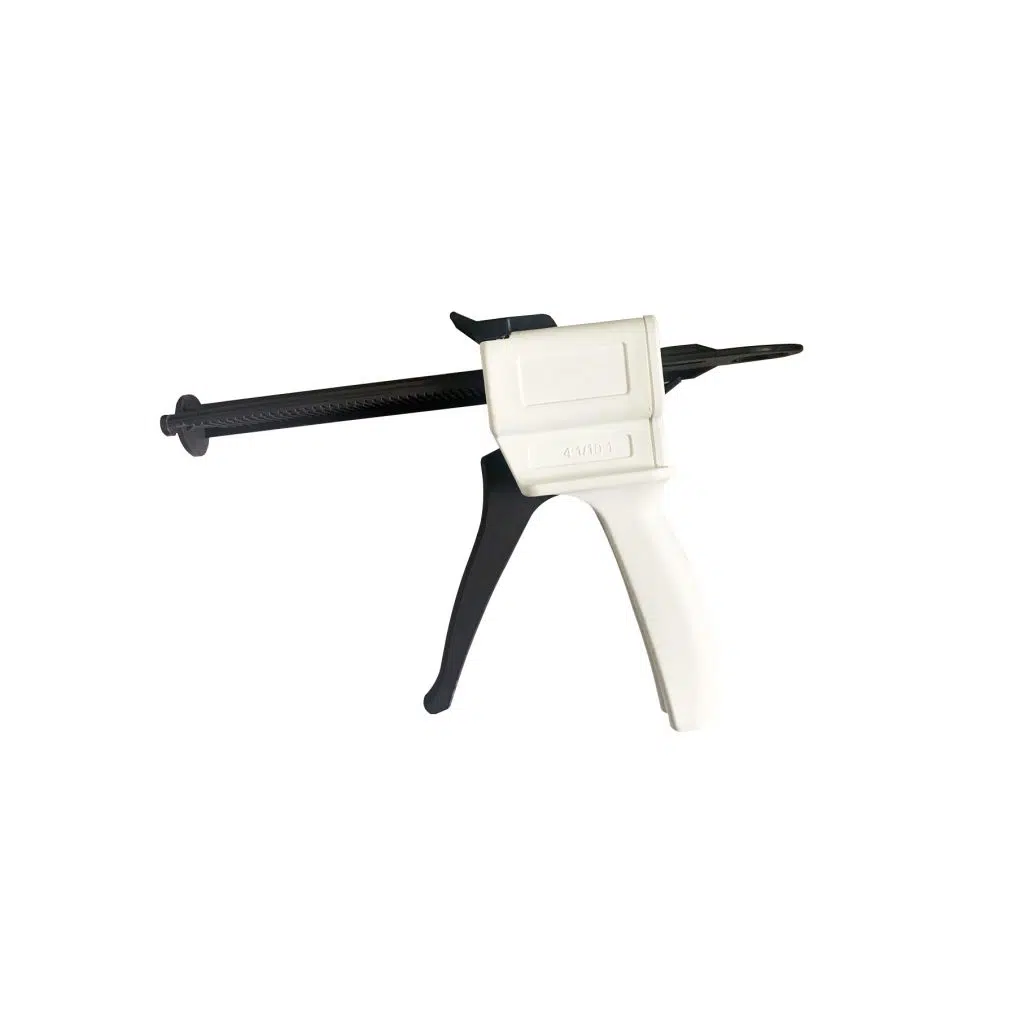
BTK-AG03 AG490ml (10:1) black metal+Plastic
BTK-AG04 AG1500ml (1:1) blue+black metal+Plastic
BTK-AGS01 AGSA300ml black metal+Plastic
BTK-AGS02 AGSA600ml black metal+Plastic

How Btektech Pneumatic Caulking Guns Work

Our pneumatic systems translate regulated compressed air into steady linear force against the piston assembly. This constant pressure is calibrated to overcome both the internal friction of the cartridge and the specific flow resistance of your chosen nozzle. Unlike manual trigger pumping, this pneumatic drive ensures a non-pulsing, continuous extrusion—critical for maintaining bead consistency in industrial assembly.
Read More
For dual-component (2K) applications, the drive powers a synchronized mechanical linkage. This prevents “lead/lag” issues by ensuring Part A and Part B are displaced at the exact volumetric ratio before entering the static mixer. Even with high-viscosity resins, the system maintains enough head pressure to force material through the mixer’s internal elements, delivering a fully homogenous blend by the time it reaches the substrate.

Product Applications & Industries

For many manufacturing lines, pneumatic tools are the essential upgrade when manual dispensing becomes a bottleneck. They bridge the gap between exhausting manual labor and the high cost of fully automated robotics, providing consistent output for mid-to-high volume production.

Transportation & Vehicle Assembly

  • Bus & Rail Window Glazing: Manual dispensing over long window perimeters often leads to “restart marks” where the operator pauses to regrip. Pneumatic guns ensure a continuous, high-volume bead of polyurethane, eliminating the join-gaps.
  • Large Panel Bonding: Applying structural adhesive to trailer or RV side panels is physically punishing. Pneumatic power removes the “hand-fatigue factor,” thus helping to maintain consistent precision.
  • Automotive Gasketing: For RTV silicone applications on engine components, the adjustable flow control allows for a precise “bead profile,” ensuring enough material for a seal without messy overflow that requires manual cleanup.

Pneumatic Caulking Gun for bus windows

Infrastructure & Heavy Construction

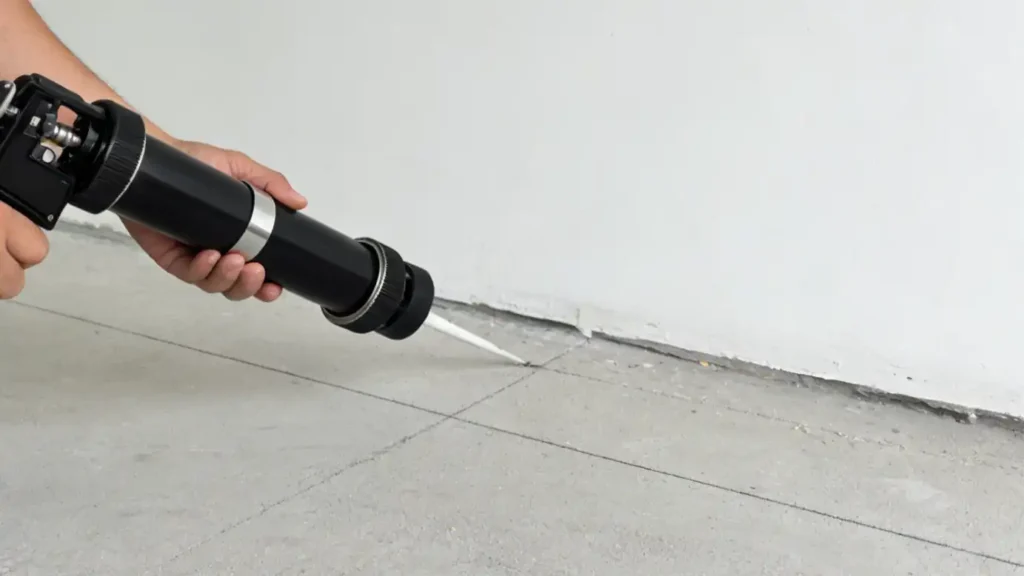
  • Expansion Joint Sealing: Filling bridge or floor joints requires moving massive amounts of sealant. Pneumatic drive provides the constant “grunt” needed to maintain a steady walking speed.
  • Chemical Anchoring (2K): High-viscosity chemical anchors are nearly impossible to dispense manually in deep boreholes, especially in colder temperatures. Our pneumatic systems provide the necessary thrust to fill the void from the bottom up.
  • Curtain Wall Weatherproofing: The anti-ooze control prevents “tailing” and drips on expensive glass surfaces, significantly reducing the time spent on post-installation cleaning.

Pneumatic Caulking Gun for panel sealing

General Industrial & HVAC Fab

  • Industrial Panel Sealing: For high-end cabinetry where the sealant bead is visible. Pneumatic control eliminates the “stop-and-start” texture common with manual guns, delivering a clean, factory-finish line.
  • Appliance Housing Gasketing: Pneumatic guns allow for a “set-and-forget” pressure adjustment, so different operators produce the same quality of bead every time.
  • Composite Repair: Used for injecting 2K resins into fiber-reinforced parts or specialized repair molds. Constant pneumatic force is essential to overcome backpressure within the static mixing nozzle.

Pneumatic glue gun for floor caulking

Need a Custom Solution? We’ve Got You Covered.

At Btektech, we engineer custom solutions for all products related to adhesives and fluid dispensing.

Our Customization Options Include:

  • Physical Attributes: Size, material, and color
  • Branding: Custom packaging and logo application
  • Functional Design: Modifications based on requirements

To get started, simply share your basic drawings, functional specifications, or intended usage scenarios. Our engineering team will assess feasibility and collaborate with you to develop a high-performance, reliable solution.

Partner with Btektech for Precision

From initial design to final delivery, we ensure your custom solution achieves unmatched consistency. If you have a customization need, contact us today to discuss your project.

Frequently Asked Questions (FAQ)

Can a pneumatic caulking gun be adjusted to fit various cartridge ratios and sizes?

Pneumatic caulking guns are dedicated tools built for specific geometries, meaning a single unit cannot be adjusted between single-component and dual-component formats or different volumetric ratios. At Btektech, we manufacture specialized platforms for 300ml or 600ml single-component use, as well as 2K systems for 400ml 1:1, 600ml 1:1, and 490ml 10:1. This specialized design helps support the mechanical stability needed for precise piston alignment and helps reduce the risk of material bypass during high-pressure extrusion.

Does the pneumatic tool support both rigid cartridges and flexible sausage packs for single-component materials?

Our single-component pneumatic tools are designed to be compatible with both rigid cartridges and flexible foil sausage packs within their specific model range. We provide separate models for 300ml and 600ml applications, where each tool helps support a seamless transition between packaging types without requiring a complete equipment change. From an operator’s perspective, this flexibility helps streamline the workflow on assembly lines where material sourcing for sealants or adhesives may vary between different batches.

How do pneumatic drive systems help improve shot-to-shot consistency compared to manual dispensing tools?

Pneumatic drive systems leverage regulated shop air to provide a constant extrusion force, which helps support a much higher level of consistency than manual trigger-pulling. This method helps reduce the "pulsing" effect and operator fatigue, making it easier to maintain a uniform bead profile during long production shifts. While this setup helps achieve the repeatability commonly expected in industrial dispensing workflows, the final result still depends on maintaining stable air pressure and selecting the appropriate nozzle for the specific application.

What factors should be considered when selecting pneumatic tools for high-ratio two-component systems?

When selecting a pneumatic caulking gun for high-ratio two-component systems, the key factors are mechanical ratio design rather than air pressure alone. High-ratio setups, such as 10:1 configurations, generate significant back pressure once material enters the static mixer. In practice, pneumatic drive helps support steady forward motion, but correct piston synchronization, mixer sizing, and material temperature remain critical. Early validation with the actual adhesive and mixer is recommended, as pneumatic assistance cannot compensate for mismatched ratios or overly restrictive mixing elements.

What are the primary benefits for procurement teams when sourcing pneumatic tools directly from Btektech?

Sourcing directly from Btektech as the manufacturer helps support long-term supply chain stability and ensures consistent tool specifications across multiple facility locations. This direct relationship makes it easier to request technical samples for R&D validation or to discuss specific configuration needs for 400ml, 600ml, or 490ml systems. For industrial buyers, this approach helps reduce the risk of sourcing mismatched equipment from third-party resellers and simplifies the long-term procurement of compatible wear parts and accessories.

Learn More About Precision Dispensing

Our blog is designed to help you deepen your knowledge of fluid dispensing processes, optimize your production line, and select the best components for your specific challenges. Explore articles that connect industry insights with practical solutions.

Everything You Need to Know About Epoxy Guns

The epoxy gun, also known as a dispensing gun or caulking gun, is a handheld tool designed to dispense epoxy resins in a controlled manner. It consists of a trigger mechanism, a barrel to hold the epoxy cartridge, and a plunger to push the resin out.

Read More →

Manual Caulking Gun vs. Pneumatic Caulking Gun

When it comes to applying sealants, adhesives, or caulk, choosing the right caulking gun can make a significant difference in both the quality of your work and the ease with which you can complete a task. Among the most popular types are manual caulking guns and pneumatic caulking guns. Each has its own set of advantages and drawbacks, making them suitable for different applications and user needs. In this blog, we will delve into the features, benefits, and limitations of both types, helping you make an informed decision on which caulking gun is right for you.

Read More →

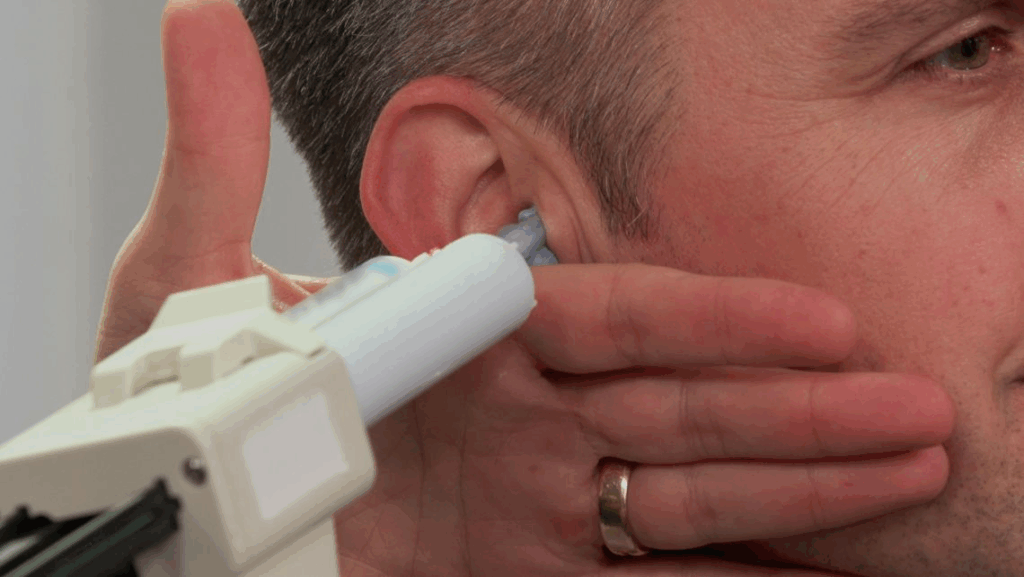
Impression Gun in Ear Impressions: Why It’s a Must-Have for Audiology Professionals

The foundation of a successful custom hearing aid fitting lies in the accuracy of the ear impression—a precise three-dimensional replica of the ear canal and pinna. In audiology practice, this process involves injecting a pliable silicone material to capture the ear’s unique anatomy, ensuring optimal acoustic sealing, comfort, and performance for devices such as behind-the-ear (BTE) aids, receiver-in-the-canal (RIC) instruments, earmolds, and protective solutions.

Read More →