
While seemingly simple, the choice and use of your dispensing tip are critical to the success of your application. A mismatch can lead to costly issues like clogging, inconsistent bead patterns, material waste, and compromised end-product quality. To help you achieve flawless results and optimize efficiency, we’ve compiled the 10 most common dispensing tip mistakes and their solutions.
To avoid these issues, selecting the right tool is half the battle. Explore our comprehensive range of high-performance dispensing tips — including Blunt Tips, Angled Tips, and specialized PTFE Tips — to find your perfect match and elevate your application precision.
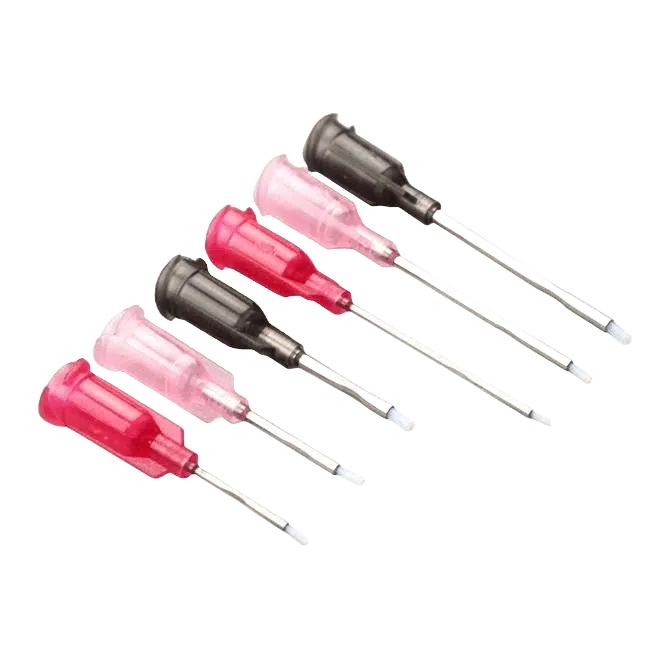
1. Using the wrong tip size:
Needle length is equally critical. Shorter needles provide greater stability and control for detailed, repeatable work on open surfaces. Conversely, longer needles are engineered for accessing recessed or hard-to-reach areas, though they increase flow resistance.
Using the wrong size not only affects the quality of the dispensed material but can also result in increased material costs and production delays. Therefore, it’s essential to carefully consider the application requirements and select the appropriate orifice size for optimal performance.
To ensure optimal performance and minimize waste, consult with Btektech’s experts. We’ll help you analyze your application and material to select the perfect tip size for unparalleled precision and cost-effectiveness.
2. Not cleaning the tip properly:
Routine cleaning not only ensures consistent flow but also significantly extends the lifespan of your dispensing tips. Proper cleaning involves flushing the tip with an appropriate solvent and using tip caps when storing syringes temporarily. Additionally, make it a habit to inspect the tip regularly for signs of wear, damage, or buildup, and replace it if necessary.
By taking the time to properly clean and maintain your dispensing tips, you ensure reliable performance, which directly translates to improved product quality and greater overall efficiency in your processes.
3. Incorrect tip placement:
For example, if the tip is held too close to the surface, it can result in excess material being dispensed, leading to waste and a mess. On the other hand, if the tip is held too far away, it can result in uneven coverage and poor adhesion.
To avoid this mistake, it’s important to follow the manufacturer’s recommendations for placement. Experimenting with different angles and distances can help you determine the optimal positioning for your specific application.
Additionally, using accessories such as dispensing stands or height-adjustable adapters can help ensure consistent tip placement and performance. Regularly inspecting and adjusting its position as needed is also a key practice to maintain optimal dispensing results.
4. Using a worn-out tip:
Using a dispensing tip that is worn or damaged can have a significant impact on performance. A worn-out tip can lead to issues such as inconsistent dispensing, dripping, or clogging.
Over time, the tip of a dispensing needle can become worn down due to repeated use. This can result in a wider aperture, which directly affects the dispensing pattern and leads to inconsistent bead size or coverage. Additionally, a worn-out tip is more prone to dripping, causing material waste and mess.
It is important to regularly inspect the tip for signs of wear and replace it as needed. Common signs of wear include a visibly widened dispensing aperture or a tip that no longer forms a clean, sharp edge.
By replacing worn-out components regularly, you can ensure consistent performance and minimize the risk of issues such as clogging or dripping. This proactive practice ultimately supports improved product quality and efficiency in your operations.
5. Not using the right tip material:
Selecting a dispensing tip made from an incompatible material is a common yet critical error that can compromise your entire application. The consequences include chemical corrosion, material contamination, tip degradation, and inconsistent flow — issues that directly affect product quality and operational cost.
Dispensing tips are available in a variety of materials, including metal, plastic, and PTFE, each with distinct properties and ideal use cases. For instance, metal dispensing tips offer strength and precision, plastic dispensing tips provide cost-efficient versatility, and PTFE tips deliver exceptional chemical resistance for reactive adhesives. Selecting the right material directly influences flow behavior, product quality, and equipment service life.
When the tip material is incompatible with the adhesive, you may encounter accelerated curing, residue buildup, internal corrosion, or surface scratching—any of which can disrupt the process and raise defect rates.
It’s important to select a tip material that is compatible with the material being dispensed to ensure optimal results. We recommend the following Btektech tip series, each designed to address specific material and application challenges:
- PTFE Tips – Ideal for cyanoacrylates (CA) and other reactive adhesives that cure on contact with metal. The non-reactive PTFE liner prevents clogging and ensures smooth, continuous flow.
- Flexible Tips – Perfect for scratch-sensitive surfaces such as coated lenses, polished components, or plastic housings. These tips maintain precision while preventing surface damage.
- Brush Tips – Excellent for coating, lubrication, or priming tasks that require even spreading rather than dot application. They enable smooth, controlled spreading with durable, oil-resistant nylon bristles.
Choosing the correct tip material ensures stable flow, reduces contamination risks, protects sensitive components, and enhances both product quality and process efficiency. Our technical team at Btektech is ready to help you identify the most suitable and cost-effective tip solution for your specific adhesive and application requirements.
6. Ignoring tip compatibility with the dispensing equipment:
Using a dispensing tip that is not compatible with your dispensing equipment can lead to poor performance, leakage, clogging, and even equipment damage. Each dispensing system, whether a syringe barrel, dispensing gun, or automated dispensing unit — requires tips designed to match its specific mechanical and dimensional requirements.
Dispensing tips vary in thread type, attachment style, hub material, and pressure rating. If the tip does not match the equipment’s connection standard or material compatibility, the result may be unstable flow, improper sealing, or premature wear. In severe cases, an incompatible tip can damage the equipment, leading to costly downtime, repairs, or part replacements.
To avoid these issues, always verify that the dispensing tip is fully compatible with your dispensing setup. Check factors such as Luer lock or Luer slip fit, thread specifications, material suitability, and recommended operating pressure. Following the manufacturer’s compatibility guidelines ensures that the tip functions correctly within the system.
By choosing the right tip for your equipment, you can maintain smooth, controlled dispensing, improve bead consistency, and enhance overall production efficiency.
7. Using the wrong tip for the application:
Using a general-purpose dispensing tip for a specialized application often leads to subpar results, material waste, and compromised process efficiency.
Dispensing tips are engineered in a variety of shapes, sizes, and configurations, each designed to excel in specific scenarios. For instance, angled tips provide access to confined or hard-to-reach areas. Similarly, oval tips are suited for coating and spreading, and brush tips enable smooth lubrication or priming.
Selecting the wrong type can directly cause inconsistent bead formation, poor adhesion, overflow, or excessive material usage — all of which undermine dispensing quality and increase operational cost.
To prevent these issues, it’s essential to evaluate your application requirements systematically. Key factors to consider include:
- Viscosity and chemical composition of the material
- Required bead shape, size, and pattern
- Accessibility and geometry of the target surface
- Volume and speed of the dispensing process
Using the correct, application-specific component not only optimizes accuracy but also enhances end-product quality and reduces material waste. Consult Btektech’s technical team to identify the optimal design for your needs. We provide specialized solutions, including custom-engineered options tailored to your unique process requirements.
8. Not replacing tips regularly:
Dispensing tips wear out over time due to repeated use, and regular replacement is essential to maintain consistent quality and process reliability.
As they are used, the tip aperture can become worn or enlarged, leading to issues such as inconsistent bead size, dripping, or material waste. In addition, residues may accumulate inside the channel, resulting in partial or complete clogging and further affecting accuracy.
It is important to establish a replacement schedule based on the frequency of use and the type of material being dispensed. Abrasive compounds, for example, can accelerate tip wear, while fast-curing adhesives may demand more frequent changes to prevent clogging.
By replacing them proactively, you can maintain stable flow rates, minimize unplanned downtime, and reduce the risk of defective products. This practice not only safeguards output quality but also enhances long-term cost-efficiency.
Need help determining the right replacement cycle for your application? Contact Btektech for personalized support — we’ll help you select the ideal tip type and replacement frequency to keep your dispensing process running smoothly.
9. Improper storage of tips:
Improper storage of dispensing tips can lead to physical damage, contamination, and reduced dispensing accuracy, ultimately compromising process reliability.
They should always be stored in a clean, dry, and protected environment when not in use. Exposure to dust, moisture, or chemical residues can result in internal clogging, surface contamination, or oxidation, any of which may negatively impact material flow and final product quality.
To avoid these risks, we recommend the following storage practices:
- Use a dedicated storage container or rack that protects them from impact and environmental exposure
- Keep the storage area free from contaminants and away from UV light or extreme temperatures
- Apply tip caps or covers when tips are temporarily idle—especially in open or shared workspaces
- Organize by type and size to prevent mixing and simplify inventory management
Always inspect tips visually before installation. Check that the aperture is clear, the tip body is intact, and there are no signs of corrosion or residue. Replace any tip that appears contaminated or damaged to prevent application issues.
Proper storage not only preserves their condition and performance but also extends service life, reduces unexpected replacements, and supports consistent output quality.
10. Ignoring safety precautions:
Failing to follow proper safety guidelines when using dispensing tips can result in serious accidents or injuries. Dispensing materials can be hazardous—especially when they are toxic, flammable, corrosive, or chemically reactive. Therefore, it is essential to follow established safety practices to minimize risks and ensure safe operation.
Some important safety precautions to consider when using dispensing tips include wearing appropriate personal protective equipment (PPE) such as gloves, safety glasses, and protective clothing to avoid exposure to hazardous materials. Additionally, make sure that all equipment is properly grounded to prevent static electricity buildup, which can pose a fire or ignition hazard when working with flammable chemicals.
It is also important to maintain proper handling and storage procedures for both materials and equipment. Always store materials in their original, clearly labeled containers, and keep them away from heat sources, sparks, or open flames. Use caution during dispensing to avoid accidental spills or skin and eye contact.
By following proper safety precautions when using dispensing tips, you can help ensure a safer working environment, reduce the likelihood of accidents, and protect both operators and equipment. Ultimately, adhering to these practices contributes to a more productive, stable, and efficient process.
Conclusion
Dispensing tips may seem like small components, but as this guide shows, they have a significant impact on the accuracy, efficiency, and overall quality of your adhesive and fluid dispensing processes. By avoiding common mistakes — such as selecting the wrong tip size or material, neglecting cleaning routines, using worn-out tips, or overlooking safety precautions — you can greatly reduce waste, prevent defects, and maintain consistent, reliable performance in production.
Whether you’re dispensing low-viscosity adhesives or high-viscosity pastes, the key to achieving stable and repeatable results lies in choosing the right dispensing tools and applying them correctly. At Btektech, we not only supply high-quality dispensing tips for industrial applications, but also offer customized solutions tailored to your specific materials, dispensing patterns, and production requirements.
If you’re ready to improve your dispensing precision and enhance overall process efficiency, our team is here to help.
➡ Contact Btektech today to discuss your needs or request a customized dispensing solution designed for your application.